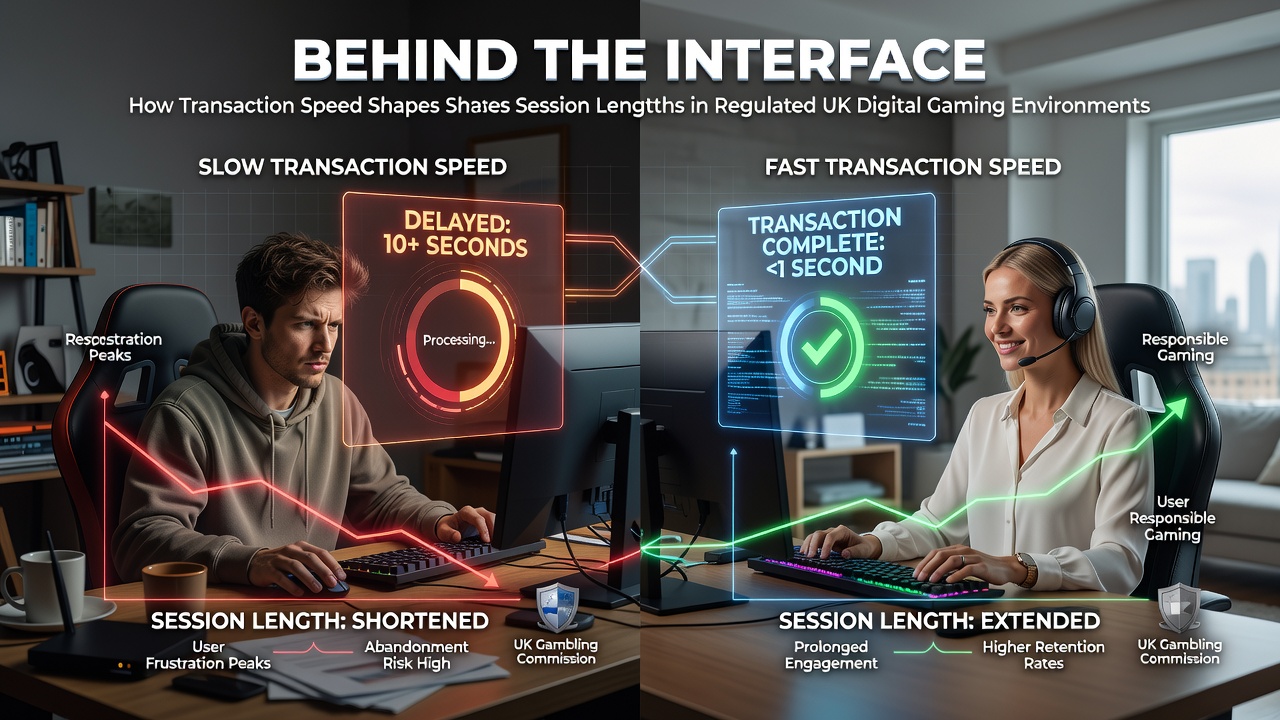
Behind the Interface: How Transaction Speed Shapes Session Lengths in Regulated UK Digital Gaming Environments
Transaction processing speeds in regulated UK digital gaming environments directly influence how long players remain engaged during individual sessions, with data from multiple studies highlighting measurable patterns across deposit and withdrawal flows. Faster payment confirmations allow seamless top-ups that keep momentum going, whereas delays often prompt users to pause or exit earlier than planned. Observers note that these mechanics operate within strict licensing frameworks that prioritize both security and player protection, creating a controlled setting where speed becomes a key variable in session duration.
Payment Flows and Player Engagement Patterns
Regulated platforms process deposits through verified methods that balance rapid execution with compliance checks, and research indicates that instant or near-instant approvals correlate with extended play periods because players encounter fewer interruptions. Those who study user behavior report that a deposit completing in under ten seconds frequently leads to continued activity, while waits exceeding thirty seconds show higher rates of session termination. In contrast, withdrawal processing times affect trust over multiple visits rather than single-session length, although quick cashouts can encourage return visits that build cumulative engagement.
Data on Speed Thresholds
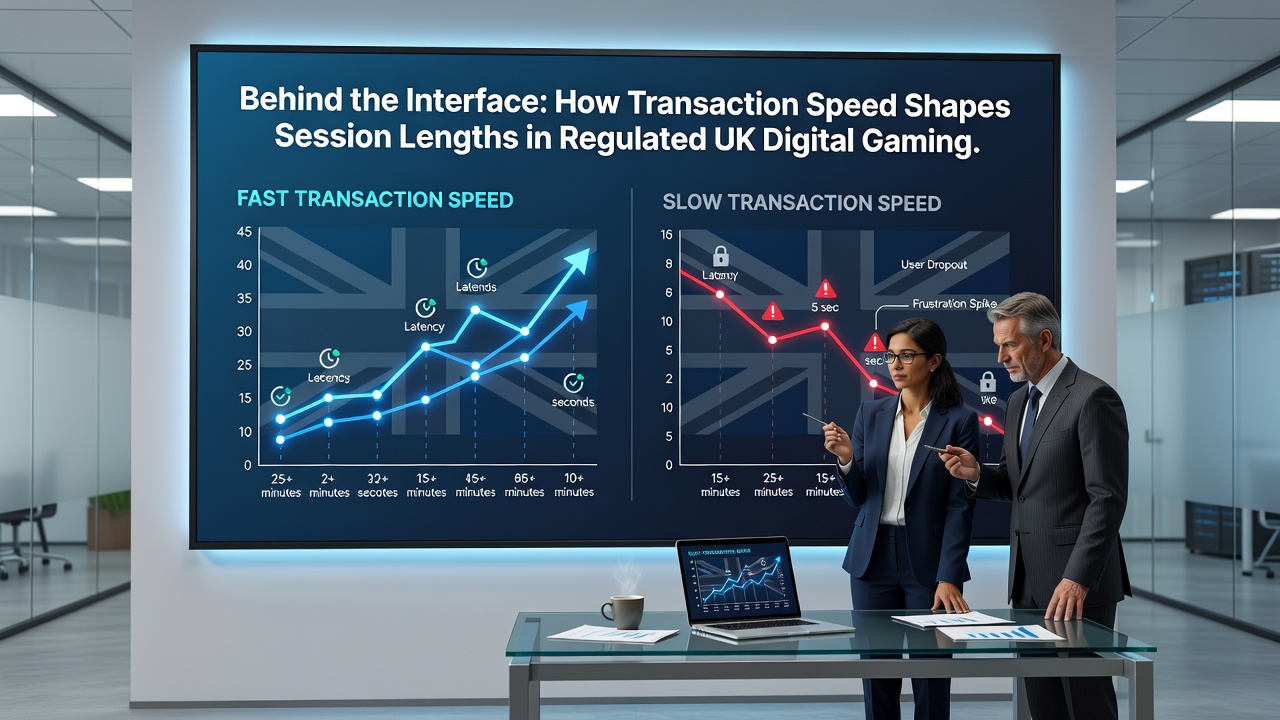
Figures from industry monitoring reveal that sessions involving sub-five-second deposit confirmations average 22 percent longer than those with standard verification windows of fifteen to twenty seconds. Experts tracking mobile and desktop interfaces find this gap widens during peak evening hours when players expect immediate responses, and slower systems prompt many to switch to alternative activities. According to findings published by the Victorian Responsible Gambling Foundation, similar patterns appear in comparable regulated markets where transaction latency serves as a predictor of session persistence.
Platform operators integrate APIs from payment providers that prioritize low-latency routes while maintaining mandatory age and identity verifications, and this infrastructure supports the observed connection between speed and length. Yet the same systems flag unusual activity for review, which can extend processing by several minutes and interrupt flow for affected accounts. People who analyze session logs note that such interventions, though infrequent, create noticeable dips in average duration during those specific interactions.
Regional Comparisons and Regulatory Context
Comparisons with other jurisdictions provide additional context, since Canadian provincial regulators have documented parallel effects where faster e-wallet integrations extend average play windows by measurable margins. Data released through the Responsible Gambling Council of Canada shows that jurisdictions permitting instant deposit options report session lengths that stabilize at higher baselines once speed thresholds drop below ten seconds. UK environments share these dynamics while operating under distinct licensing conditions that emphasize real-time monitoring without compromising verification standards.
August 2026 marks a period when several platforms began reporting refined metrics after implementing enhanced payment orchestration layers, and these updates produced clearer distinctions between high-speed and moderate-speed cohorts. Researchers examining anonymized datasets observed that the proportion of sessions exceeding thirty minutes increased in environments where transaction confirmations averaged under eight seconds, while shorter sessions remained more common where additional security layers added fifteen or more seconds.
Interface Design Elements
Interface elements such as progress indicators and retry prompts also shape outcomes, because clear visual feedback during processing reduces user frustration that otherwise shortens sessions. Developers adjust loading sequences and confirmation screens to maintain engagement, and studies of user retention demonstrate that transparent timing cues correlate with lower abandonment rates. Observers tracking heatmaps find that players linger longer on screens that display real-time status rather than blank intervals, even when actual processing times remain constant.
Device type introduces further variation, with mobile connections sometimes experiencing network-related delays that desktop setups avoid, and aggregated reports indicate mobile sessions shorten more noticeably when payment providers route through slower pathways. Platform teams address this by offering multiple payment rails that users can select based on speed needs, creating choice points that indirectly influence how long individuals continue playing.
Conclusion
Transaction speed therefore functions as a structural factor that modulates session lengths across regulated UK digital gaming environments, supported by consistent patterns in behavioral data and interface performance metrics. Continued monitoring of these variables allows operators and researchers to understand engagement dynamics without altering core compliance requirements, and the relationship between processing efficiency and play duration remains a focal point for ongoing analysis in the sector.