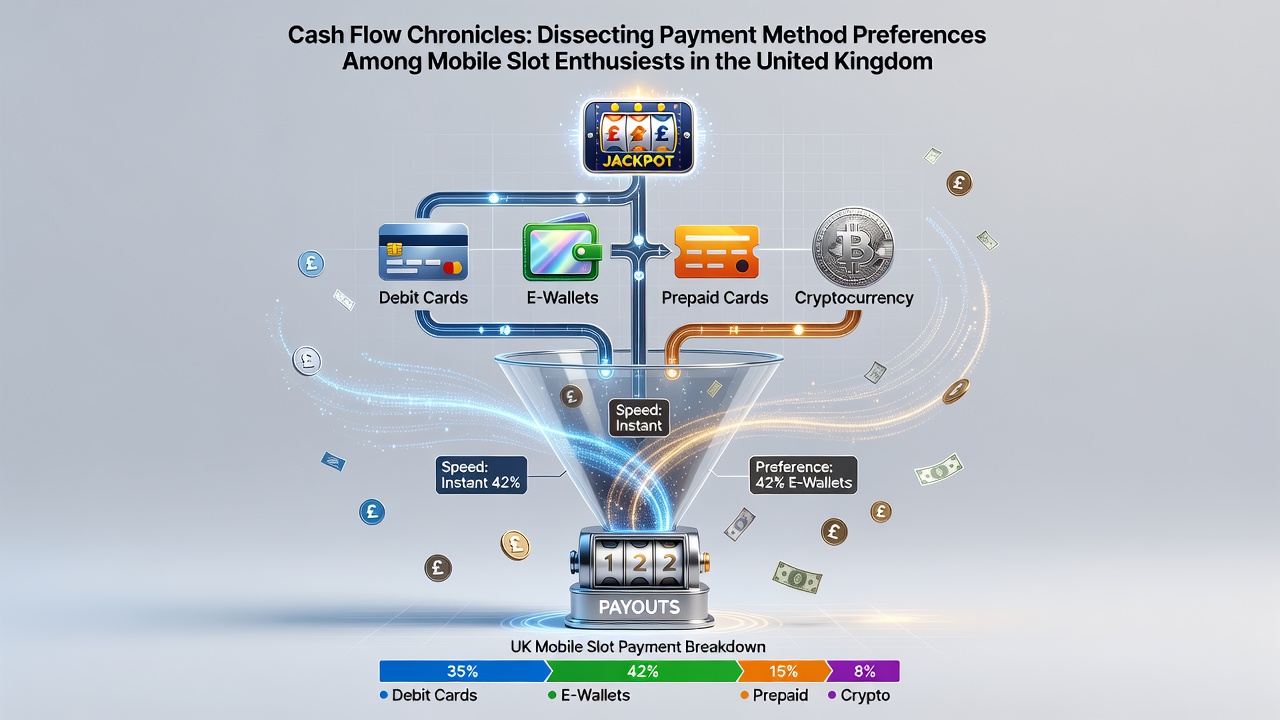
Cash flow chronicles: dissecting payment method preferences among mobile slot enthusiasts in the United Kingdom
Payment preferences among mobile slot enthusiasts in the United Kingdom continue to shift as technology advances and user habits evolve, with data from August 2026 highlighting clear patterns in how players fund their sessions. Debit cards maintain strong popularity because they combine widespread acceptance with straightforward security features, while digital options gain traction for their speed and integration with mobile devices. Observers note that these trends reflect broader changes in consumer banking habits across the region, where convenience often drives decisions during short gaming intervals on smartphones.
Current Payment Method Distribution
Recent figures reveal that debit cards account for a significant portion of transactions among mobile slot players, yet alternatives such as instant bank transfers and prepaid vouchers fill specific niches for those seeking added control over spending limits. Those who study player behavior point out that contactless payments via smartphones have risen steadily since earlier years, and this growth aligns with general retail trends in the United Kingdom. Meanwhile, credit card usage remains limited in this sector due to regulatory frameworks that prioritize responsible play, which encourages alternatives that do not involve borrowing mechanisms.
Research from industry analysts shows younger demographics, particularly those aged 18 to 34, lean toward app-based solutions that allow seamless top-ups without leaving the gaming interface, whereas older participants often stick with traditional card entries for familiarity. Data collected in August 2026 indicates these preferences hold steady even during peak evening hours, when mobile traffic surges and quick funding becomes essential to maintain session flow.
Factors Influencing Choices
Security concerns rank high among reasons players select one method over another, with many favoring options that include two-factor authentication and real-time alerts for every transaction. Transaction speed also matters because enthusiasts frequently switch between games or chase time-limited features, and delays can interrupt momentum. Cost structures play a role too, since some providers charge small fees for certain transfers while others absorb costs to attract volume from the mobile slot community.
Take the case of a study conducted by a European research consortium that examined cross-border payment behaviors; it found UK mobile users prioritize methods compatible with multiple devices, allowing continuity whether someone plays on a phone during commute or switches to a tablet at home. This adaptability proves valuable in a market where sessions often last under 30 minutes yet occur multiple times per week.
Regional Variations and Emerging Patterns
Urban areas in England and Scotland display higher adoption rates for digital wallets compared to rural zones, where reliable internet access influences which options feel practical during mobile play. August 2026 reports from market trackers noted an uptick in hybrid approaches, where players combine a primary card with occasional voucher use to manage budgets more precisely. These patterns emerge clearly when comparing session data across different network providers and device types.
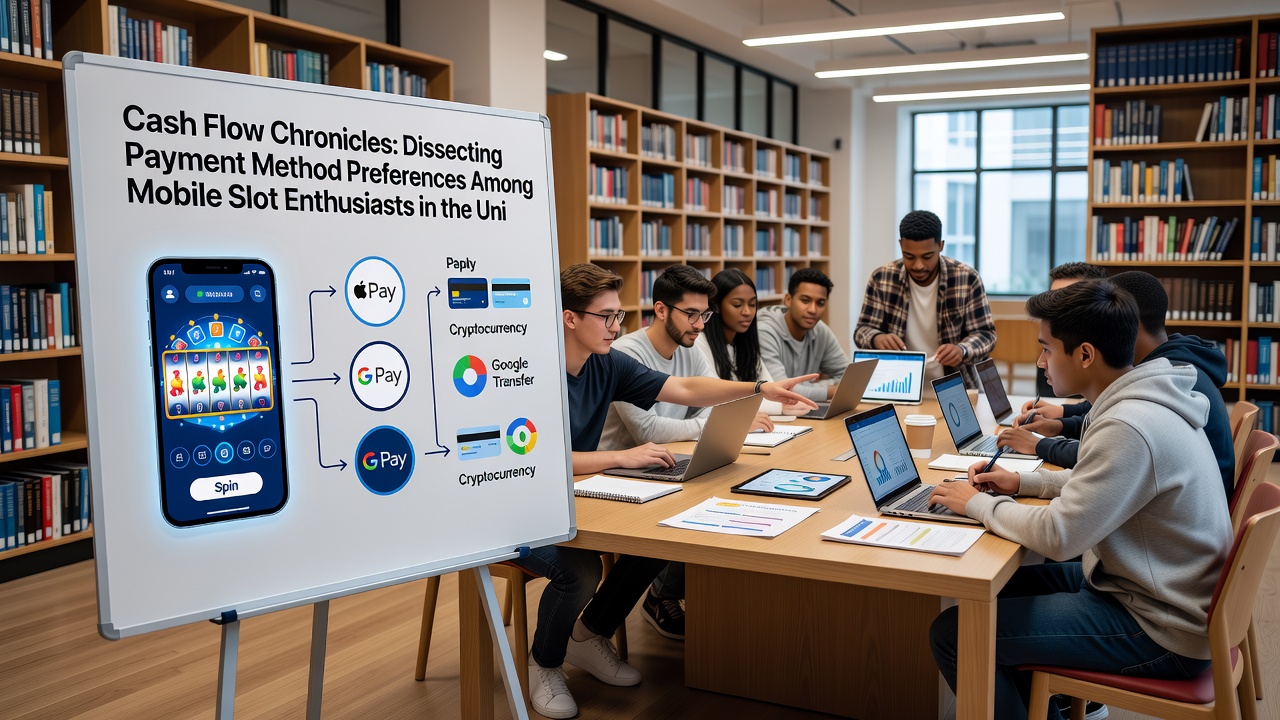
Industry organizations such as the European Gaming and Betting Association have documented similar shifts in neighboring markets, where mobile-first payment solutions continue to expand without displacing established card systems entirely. Academic papers from Canadian universities on digital finance adoption further support the idea that trust in a payment provider often outweighs minor convenience gains when real money is involved.
Impact on Session Behavior
Payment method selection directly affects how long enthusiasts engage with mobile slots because instant options reduce friction and encourage continued play, whereas methods requiring extra verification steps sometimes lead to shorter sessions. Figures from 2026 tracking services indicate that players using bank-linked instant transfers complete more rounds per hour on average than those relying on manual card entry, though both groups show consistent overall participation rates across the month.
Device compatibility adds another layer, with iOS and Android users sometimes encountering different default options based on their operating system's built-in payment systems. Observers who monitor these details find that integration with phone wallets has grown more seamless over time, reducing the steps needed to fund an account mid-session.
Conclusion
Payment preferences among United Kingdom mobile slot enthusiasts reflect a balance between established habits and new technological capabilities, with data from August 2026 underscoring steady demand for both card-based and digital solutions. As platforms refine their offerings, these patterns provide insight into how funding methods shape everyday engagement without altering the core appeal of the games themselves. Continued monitoring by research groups across Europe and beyond will likely reveal further refinements in the years ahead.