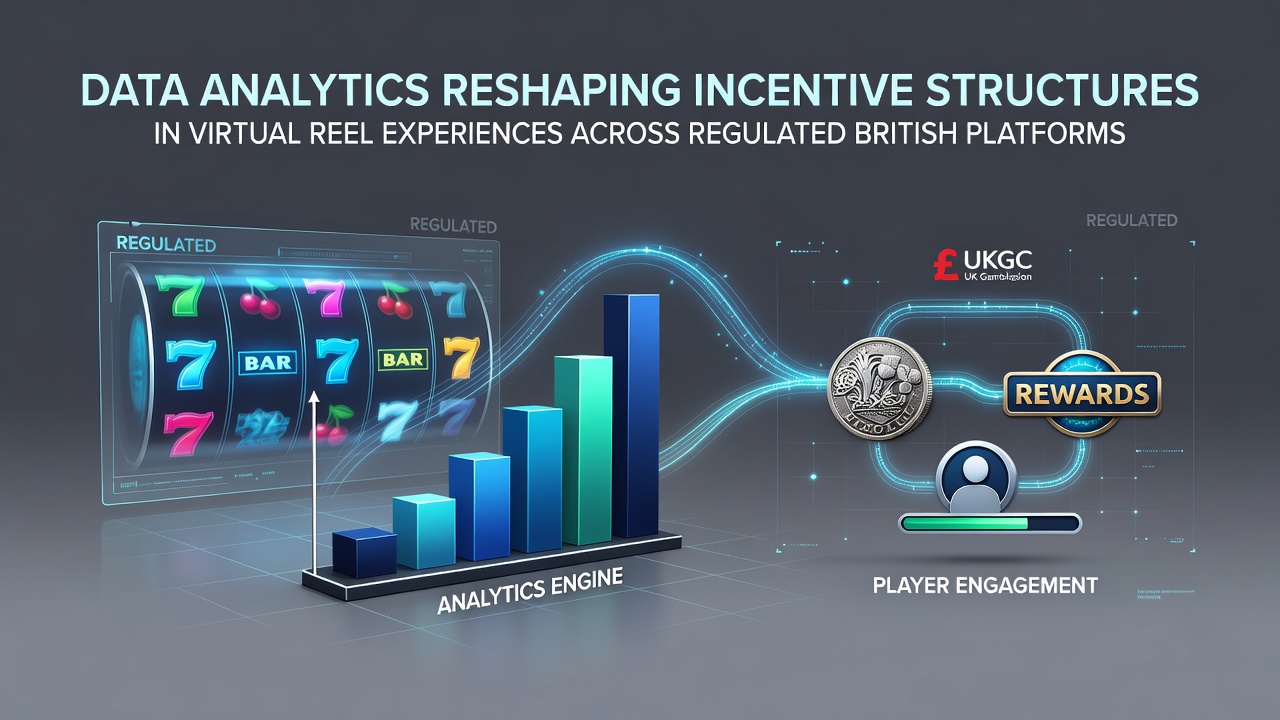
Data-Driven Approaches Altering Player Reward Systems in Regulated British Slot Experiences
Operators across regulated British platforms have integrated advanced data analytics into their systems, which allows them to adjust incentive structures for virtual reel experiences in real time, and this shift has gained momentum through 2026 as companies refine how they distribute bonuses, loyalty points, and promotional offers based on individual player data patterns.
Core Mechanics Behind the Shift
Analytics platforms process vast datasets that include session duration, bet sizing, and feature engagement rates, so operators can identify which reward types trigger continued play without exceeding risk thresholds, while those who manage these systems note that machine learning models now predict optimal incentive timing down to specific hours of the day or week.
Take one operator who noticed that players engaging with certain reel mechanics responded better to time-limited free spin packages rather than deposit matches, and this observation led to automated adjustments that rerouted promotional budgets toward higher-engagement segments, resulting in measurable changes to average session lengths across multiple sites by August 2026.
Personalization at Scale
Instead of blanket offers that once applied to entire player bases, data models now segment users according to behavioral clusters such as high-volatility preference or steady low-stake patterns, which means incentives like cashback tiers or milestone rewards appear tailored to each group, and researchers from institutions studying gambling behavior have documented similar segmentation techniques in reports that examine cross-border platform operations.
What's interesting here is how these clusters evolve, because fresh data streams update the models daily, allowing incentive structures to shift when a player's habits change, for instance moving someone from standard loyalty accrual to targeted reel-specific multipliers after they demonstrate consistent engagement with branded content.

Regulatory Context and Implementation
British platforms must balance these data-driven changes against compliance requirements that emphasize player protection, so analytics teams incorporate safeguards that flag unusual incentive uptake and trigger reviews before offers reach vulnerable accounts, while data from Ontario's regulatory framework shows comparable approaches where real-time monitoring supports both personalization and harm minimization.
One study revealed that platforms using predictive models reduced instances of players chasing losses through adjusted reward pacing, and the same models helped operators maintain revenue stability by reallocating promotional spend away from low-conversion segments toward those demonstrating stronger response rates.
Examples from Platform Operations
There's this case where experts found that integrating live data feeds from reel mechanics allowed one site to replace static weekly bonuses with dynamic offers that activated only when analytics indicated a player was nearing a natural drop-off point, and this approach correlated with extended play periods without increasing overall spend per user.
Another platform tested hybrid incentives that combined reel free spins with progress toward live dealer access, using analytics to determine which combinations produced the strongest retention signals across different age and location demographics.
Measurement and Outcomes
Figures reveal that platforms adopting these methods saw shifts in key metrics such as return-to-player interaction rates and bonus redemption frequency, and observers note that the changes appear most pronounced in mobile environments where data collection occurs continuously through app sessions.
According to a report from iGaming Ontario, similar analytics frameworks have supported more precise allocation of player rewards while meeting transparency standards, and Australian regulatory data from Victoria further indicates that segmentation techniques can align commercial goals with responsible play guidelines when implemented with ongoing oversight.
Future Trajectories
As data infrastructure continues to mature, incentive structures for virtual reels are expected to incorporate even finer variables such as device type and time-of-day behavior, yet the core principle remains the same: analytics enable operators to deliver rewards that match demonstrated player preferences while staying within regulatory boundaries.
Conclusion
Overall, data analytics has become central to how regulated British platforms structure rewards in virtual reel experiences, with segmentation, real-time adjustment, and compliance integration forming the foundation of these evolving systems, and continued refinement through 2026 points toward increasingly precise alignment between player activity and incentive delivery across the sector.