Data Insights Fueling Tailored Play in Britain's Online Casino Applications
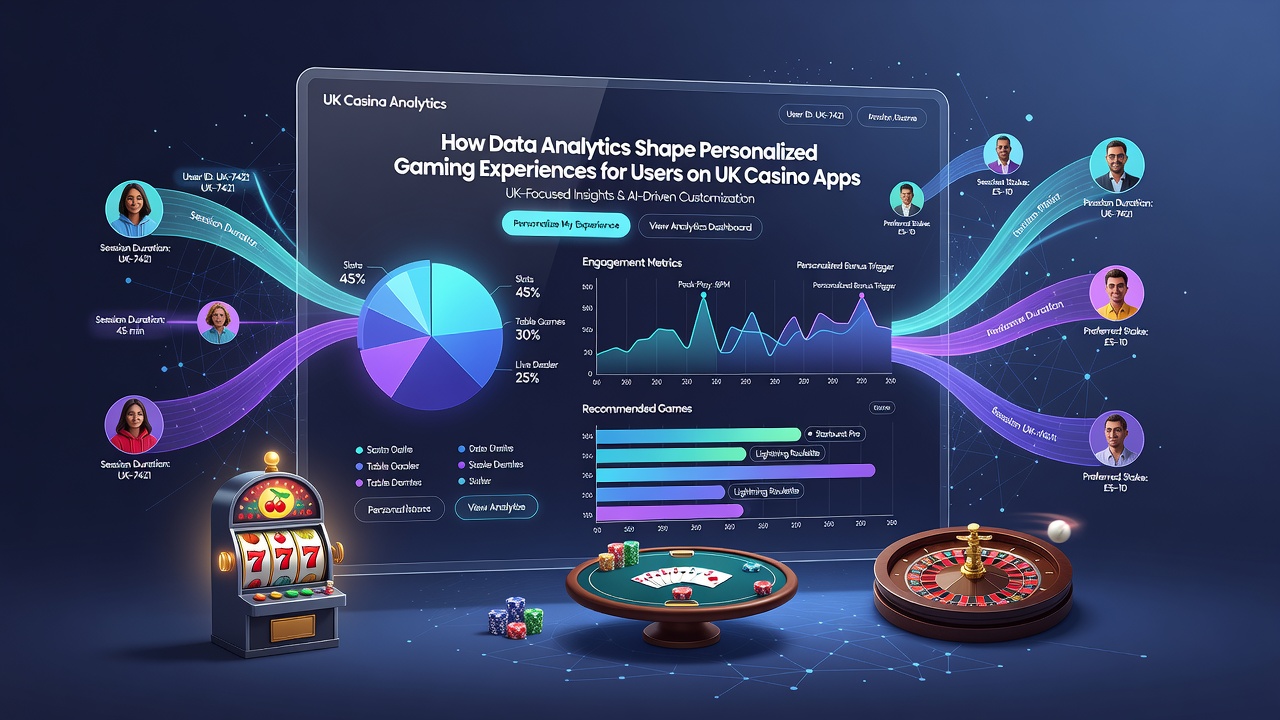
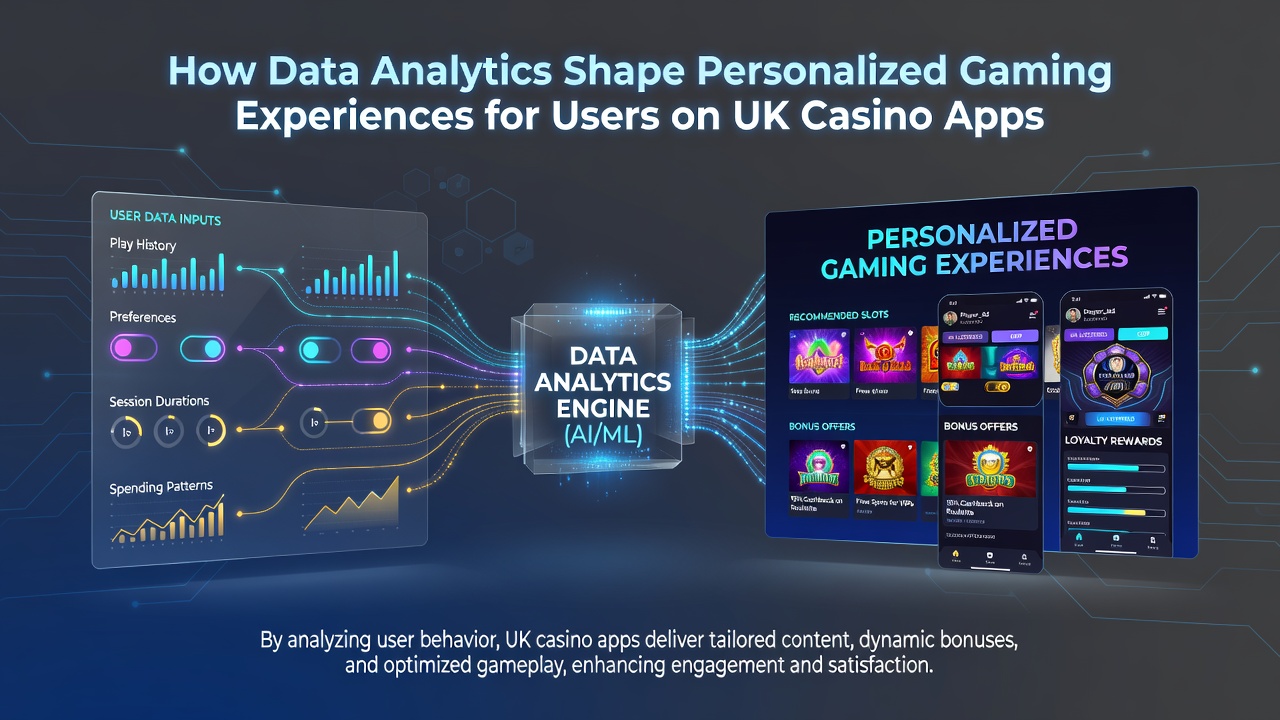
Data analytics now drive the core mechanics behind user experiences on UK casino apps, where operators collect and process vast streams of behavioral information to adjust game recommendations, bonus structures, and interface layouts for individual accounts. These systems track metrics such as session duration, preferred game categories, deposit patterns, and interaction frequency, then apply algorithms that generate real-time adjustments without requiring manual intervention from support teams.
Operators integrate machine learning models that segment users into dynamic groups based on activity levels, allowing the platform to surface content that aligns with observed preferences. For instance, a player who frequently engages with progressive jackpot titles may receive targeted notifications about similar releases, while another user who favors table games sees different promotional offers appear during login sequences. This segmentation occurs continuously as new data enters the system, creating an evolving profile that refines over multiple sessions.
Core Mechanisms Behind Personalization Engines
UK casino apps rely on several interconnected data layers to achieve personalization at scale. Transaction records feed into predictive models that forecast spending habits and risk thresholds, while gameplay logs capture micro-level choices such as bet sizing adjustments and feature trigger frequencies. Location data, device type, and time-of-day patterns add further dimensions that help systems time notifications and tailor difficulty curves in skill-influenced games.
Third-party providers supply additional datasets that supplement internal records, including aggregated market trends from sources outside the immediate operator network. These external inputs allow platforms to benchmark individual behavior against broader population statistics, identifying anomalies or emerging preferences that warrant content shifts. Researchers at institutions such as the Canadian Gaming Association have documented how similar multi-source integration improves retention rates across mobile gambling environments in various jurisdictions.
Impact on Game Recommendations and Interface Design
Recommendation engines operate through collaborative filtering techniques that compare a user's history with patterns observed across thousands of similar accounts, surfacing titles that match established tastes while introducing controlled variety to prevent repetition fatigue. Interface elements adapt accordingly, with button placements, color schemes, and navigation menus shifting based on detected usability patterns. A user who consistently accesses live dealer sections might encounter streamlined shortcuts to those areas, whereas slot-focused players see expanded grid views for quick browsing.
Studies conducted by the Australian Gambling Research Centre indicate that platforms employing such adaptive interfaces record higher average session lengths compared to static designs, as users encounter fewer friction points when navigating personalized layouts. These adjustments occur seamlessly in the background, with changes implemented between sessions or even mid-interaction when sufficient data triggers an update.
Bonus Structures and Promotional Targeting
Analytics also shape the distribution of bonuses and loyalty rewards, moving away from uniform campaigns toward individualized offers calibrated to predicted engagement value. Deposit match percentages, free spin allocations, and cashback rates adjust according to historical response data, ensuring resources concentrate on incentives that historically prompt continued activity. Players who respond positively to time-limited challenges receive more frequent invitations, while those showing preference for steady play see longer-duration promotions appear in their accounts.
By July 2026, several major UK operators plan expanded use of reinforcement learning models that test promotional variations across micro-segments, measuring uplift in real time before scaling successful variants across broader cohorts. This iterative approach builds on earlier A/B testing frameworks but incorporates continuous feedback loops that accelerate optimization cycles from weeks to days.
Regulatory Context and Data Governance
UK operators must balance personalization capabilities with strict data protection requirements under existing legislation, ensuring consent mechanisms remain transparent and users retain control over profile sharing. Compliance teams audit algorithm outputs regularly to verify that targeting does not inadvertently create unfair advantages or disadvantage certain demographic groups. External audits from bodies such as the European Gaming and Betting Association provide independent verification that data practices align with industry standards across multiple European markets.
Those monitoring industry reports note that transparent data usage policies correlate with sustained user trust, particularly when operators communicate how analytics improve rather than restrict choices available within the app environment.
Future Developments in Analytical Capabilities
Emerging techniques incorporate biometric signals from device sensors and expanded natural language processing of support interactions to further refine user models. These additions allow systems to detect frustration patterns or excitement indicators that text-based logs alone cannot capture, enabling proactive adjustments such as temporary difficulty reductions or encouragement messages at critical moments. Academic papers from research groups in North America and Europe continue to explore ethical boundaries around such sensitive data categories, emphasizing the need for clear boundaries and user opt-out pathways.
Conclusion
Data analytics have become integral to how UK casino apps deliver individualized experiences, transforming raw behavioral records into actionable adjustments across recommendations, interfaces, and promotions. As these systems mature through 2026 and beyond, the emphasis remains on measurable outcomes derived from continuous data flows rather than static assumptions about user preferences. Operators who maintain robust governance frameworks alongside advanced modeling techniques position themselves to sustain engagement while meeting evolving regulatory expectations across connected markets.