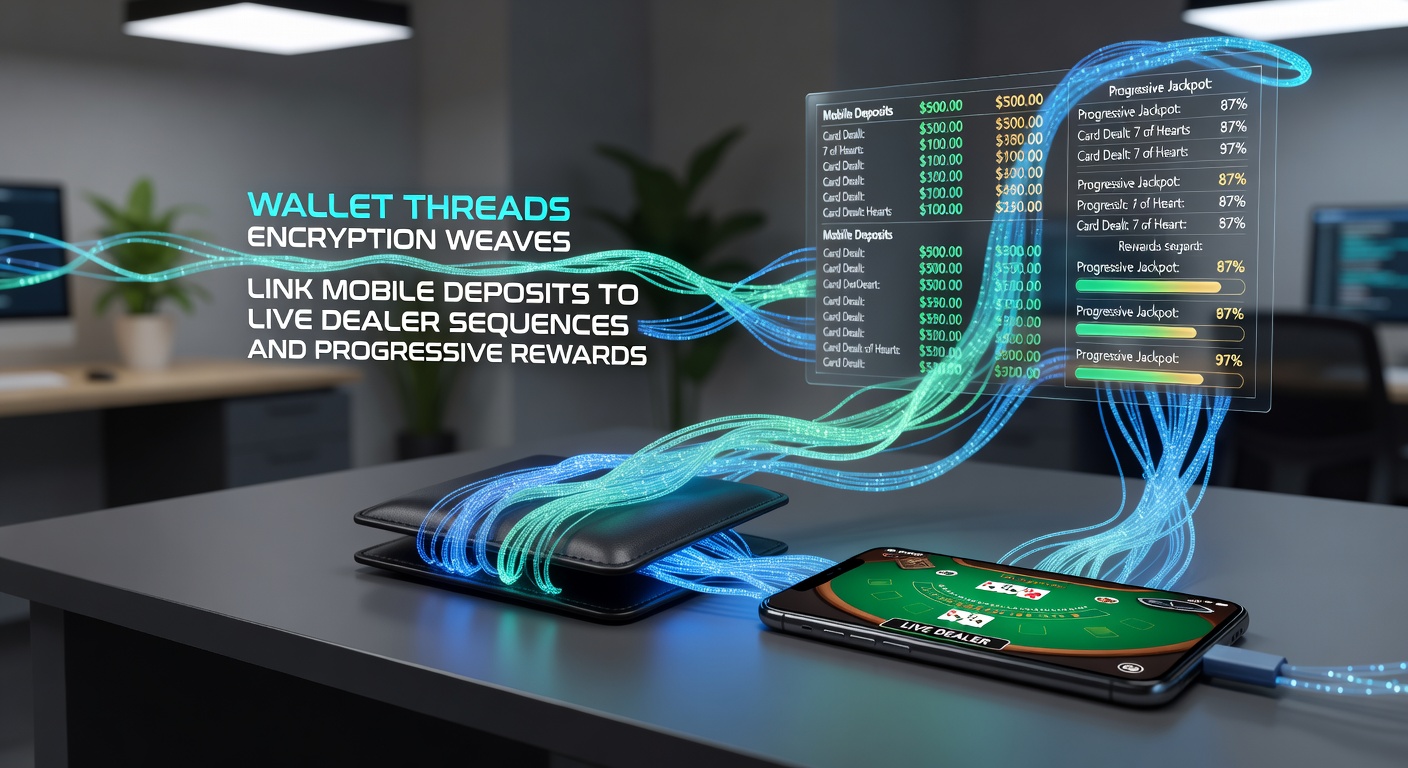
Encryption Threads in Digital Wallets: Connecting Mobile Deposits Across Live Dealer Platforms and Progressive Reward Systems
Digital wallet systems employ layered encryption protocols that create secure pathways between mobile deposits and real-time gaming sequences in live dealer environments, while also routing those same funds into progressive reward structures. These protocols operate through a series of cryptographic handshakes that verify transaction integrity before any game data begins to flow, and operators have integrated them into platforms across multiple jurisdictions since the mid-2020s.
How Encryption Protocols Establish Secure Deposit Pathways
Modern wallet architectures rely on end-to-end encryption standards that wrap each deposit request in multiple layers of algorithmic protection before the funds reach the gaming server. Researchers at various institutions have documented how these layers prevent interception while allowing instantaneous verification that matches the deposit amount to the player's session identifier. Data from industry audits shows transaction completion times averaging under three seconds on mobile networks, and this speed stems directly from streamlined key exchange processes that avoid redundant authentication steps after the initial wallet pairing.
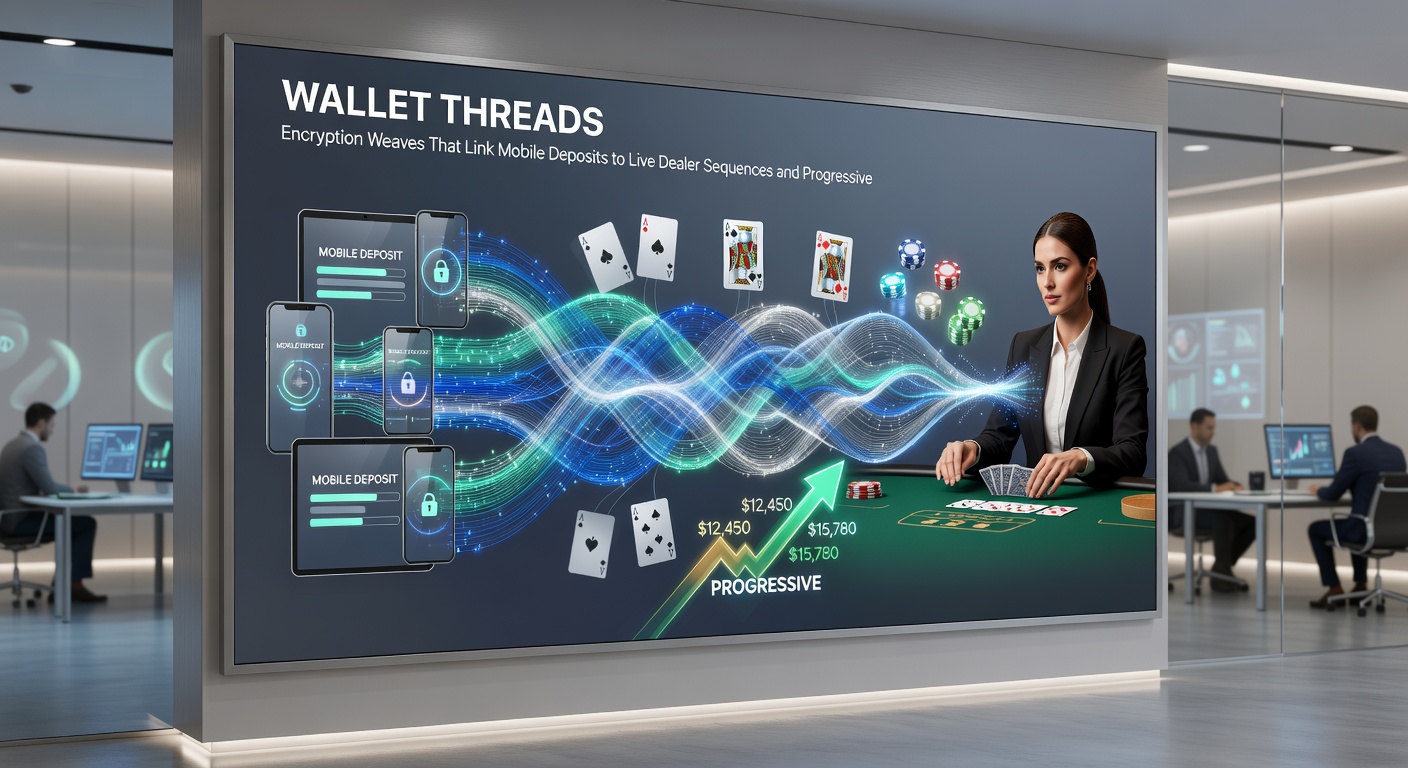
Operators configure these systems so that each mobile deposit triggers a unique session token encrypted with rotating keys, and the token then attaches to both live dealer table feeds and progressive jackpot meters. In practice this means a single encrypted thread can simultaneously authorize entry into a blackjack sequence and increment the player's contribution to a shared reward pool without exposing raw account details.
Linking Deposits to Live Dealer Sequences
Live dealer platforms receive encrypted deposit confirmations that activate camera feeds, chip interfaces, and bet placement modules within the same data stream. Observers note that this integration reduces latency between funding and gameplay because the encryption layer also carries metadata about table limits and player preferences. According to reports compiled by the European Gaming and Betting Association, platforms using unified wallet threads recorded a measurable rise in concurrent live dealer sessions during the first quarter of 2026.
The sequences themselves follow predetermined cryptographic rules that log every card draw and payout decision back to the original deposit thread. This creates an unbroken audit trail that regulators in several regions require for compliance checks, and the process operates without interrupting the visual flow of the dealer interaction on the player's device.
Progressive Reward Integration Through the Same Threads
Progressive jackpot systems pull contribution data from the identical encrypted deposit threads used for live dealer access. Each verified deposit amount is parsed into a percentage allocation that updates the jackpot meter in real time, and the encryption ensures the allocation cannot be altered after the fact. Figures released in May 2026 by the Australian Communications and Media Authority indicated that integrated wallet systems contributed to higher average progressive pool growth rates compared with older segregated payment models.
Players see their contributions reflected immediately on jackpot displays because the encryption protocol timestamps and validates the data packet before it reaches the central reward server. This timing mechanism prevents desynchronization between live game results and accumulating prizes, and it supports multi-game participation where one deposit can feed several progressive meters simultaneously.
Security Measures and Cross-Platform Compatibility
Wallet providers maintain compatibility with both iOS and Android operating systems by adhering to common encryption libraries that receive regular updates from standards bodies. These updates incorporate new elliptic curve algorithms and post-quantum safeguards, and testing data indicates that such measures maintain transaction throughput even during peak mobile usage periods. Operators have observed that unified threads also simplify compliance reporting because all activity traces back to a single encrypted source rather than multiple disconnected logs.
Third-party security firms conduct periodic penetration testing on these systems, and the results feed into iterative improvements that address emerging threat vectors without disrupting live operations. The architecture allows for regional variations in key storage requirements while preserving the core linkage between deposits, live sequences, and progressive rewards.
Conclusion
Encryption weaves in digital wallets continue to serve as the connective infrastructure that aligns mobile deposits with live dealer sequences and progressive reward mechanisms. Industry documentation from multiple regulatory and research sources confirms that these integrated threads support faster verification, continuous audit trails, and synchronized jackpot contributions across platforms. As encryption standards evolve, the same foundational architecture is expected to accommodate additional game types and reward formats while preserving transaction security.