
Loyalty Tiers and Their Role in Opening Progressive Prize Opportunities Within Gaming Applications
Digital gaming applications have integrated loyalty structures that convert regular play into measurable advantages for accessing progressive prize pools, where jackpot values accumulate across multiple participants until triggered. These systems track user activity through point accumulation, tier advancement, and targeted rewards that directly influence entry eligibility or contribution multipliers to shared prize mechanisms.
Core Mechanics of Loyalty Integration
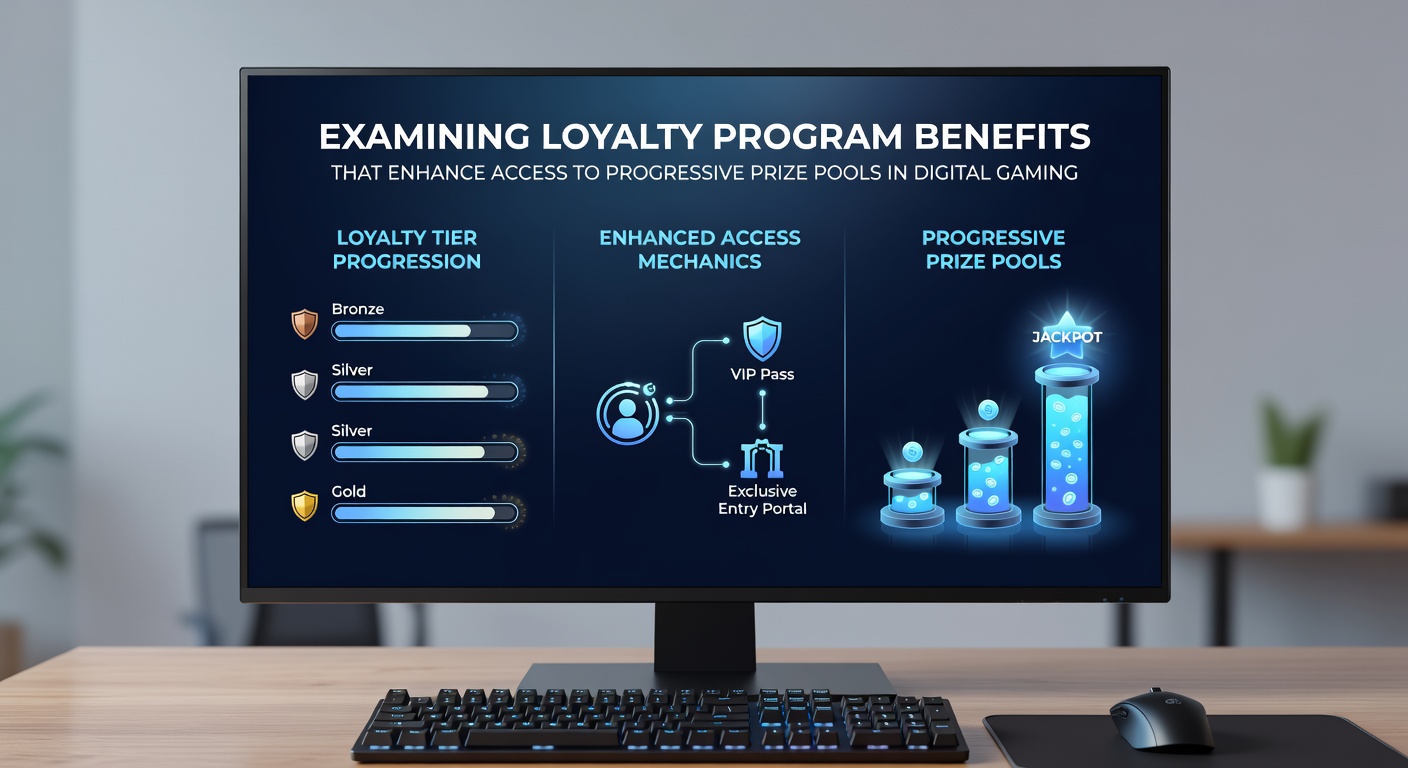
Players earn loyalty points based on wager volume, session duration, and specific game participation, after which accumulated totals determine tier placement that unlocks enhanced access protocols. Lower tiers typically permit standard contributions to progressive pools, whereas higher levels introduce reduced entry thresholds or bonus multipliers that amplify a player's share of the growing prize fund. Data from industry tracking services indicate these mechanics have expanded across mobile platforms since 2023, with adoption rates climbing as operators seek to retain active users through structured progression paths.
Point redemption options often include direct entries into secondary progressive events or temporary boosts to jackpot contribution rates, creating layered pathways that connect daily engagement with larger reward cycles. Observers note that such features operate within regulatory frameworks established by bodies like the Nevada Gaming Control Board, which monitors how promotional tools align with overall game fairness standards.
Tier Benefits and Prize Pool Connectivity
Mid-level tiers frequently grant users the ability to participate in exclusive progressive variants unavailable at entry levels, while top tiers may provide guaranteed minimum contributions or accelerated point conversion rates during designated periods. Research compiled by the University of Nevada, Las Vegas International Gaming Institute reveals that players advancing through five or more tiers demonstrate higher retention metrics, partly because access enhancements create tangible differences in potential returns from cumulative prize systems.
Seasonal campaigns scheduled around events such as the May 2026 platform updates have introduced dynamic tier resets that preserve historical progress while recalibrating reward multipliers, allowing continued accumulation toward progressive eligibility without full restarts. These adjustments maintain momentum for long-term participants and simultaneously onboard newer users through introductory point grants tied to initial deposits or play milestones.
Regional Variations in Implementation
European operators under oversight from the Malta Gaming Authority have emphasized transparency requirements that mandate clear disclosure of how loyalty points translate into progressive access probabilities, whereas North American platforms prioritize integration with existing responsible gaming tools that cap contribution levels regardless of tier status. Australian regulatory reports from the Victorian Commission for Gambling and Liquor Regulation document similar patterns where loyalty-linked jackpot entries must comply with harm minimization protocols that prevent excessive escalation of play volume.
Cross-platform compatibility features now allow points earned in one application to carry over into partner apps, extending the reach of progressive pools beyond single titles and creating networked prize environments that span multiple developers. This interoperability has grown since late 2024, supported by standardized data exchange protocols that preserve user privacy while enabling seamless reward transfers.
Technical Infrastructure Supporting Access Enhancements
Backend algorithms calculate real-time eligibility by cross-referencing loyalty status with current progressive pool sizes and historical trigger frequencies, then present personalized contribution options through in-app interfaces. Encryption standards ensure that point balances and tier data remain secure during these calculations, preventing unauthorized modifications that could distort access fairness. Industry analyses show that applications employing these verification layers experience fewer disputes related to reward distribution compared to earlier static systems.
Notifications alert users when approaching tier thresholds that unlock improved progressive participation rates, prompting continued engagement without mandating immediate action. Such prompts operate alongside broader educational materials that explain probability structures governing jackpot outcomes, helping users understand the relationship between loyalty benefits and actual prize mechanics.
Conclusion
Loyalty programs in digital gaming applications function as structured bridges between sustained participation and expanded entry into progressive prize pools, with tier advancements delivering quantifiable differences in access parameters and contribution efficiency. Implementation varies by jurisdiction yet consistently relies on transparent tracking, secure data handling, and periodic recalibrations that align with evolving platform capabilities. As systems continue to incorporate regional regulatory expectations and technical refinements, the linkage between loyalty metrics and progressive reward opportunities remains a central element of mobile gaming architecture.