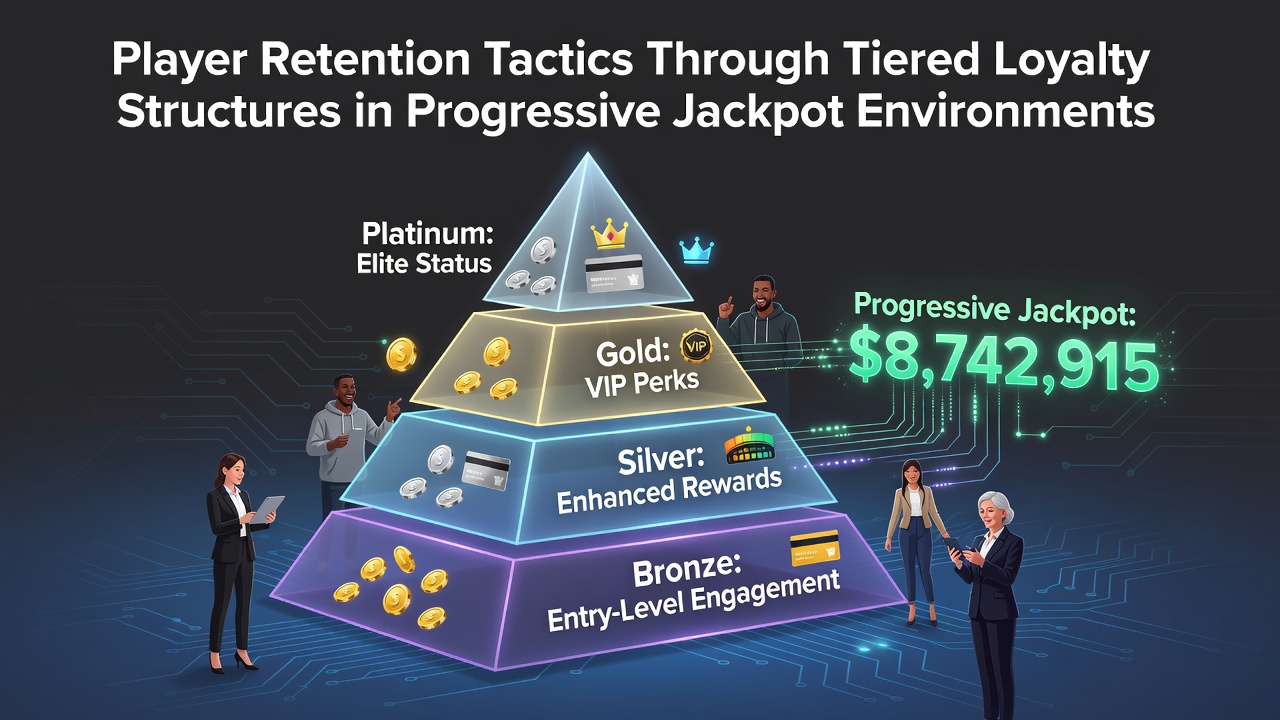
Loyalty Tiers Shape Retention in Progressive Jackpot Gaming Scenes
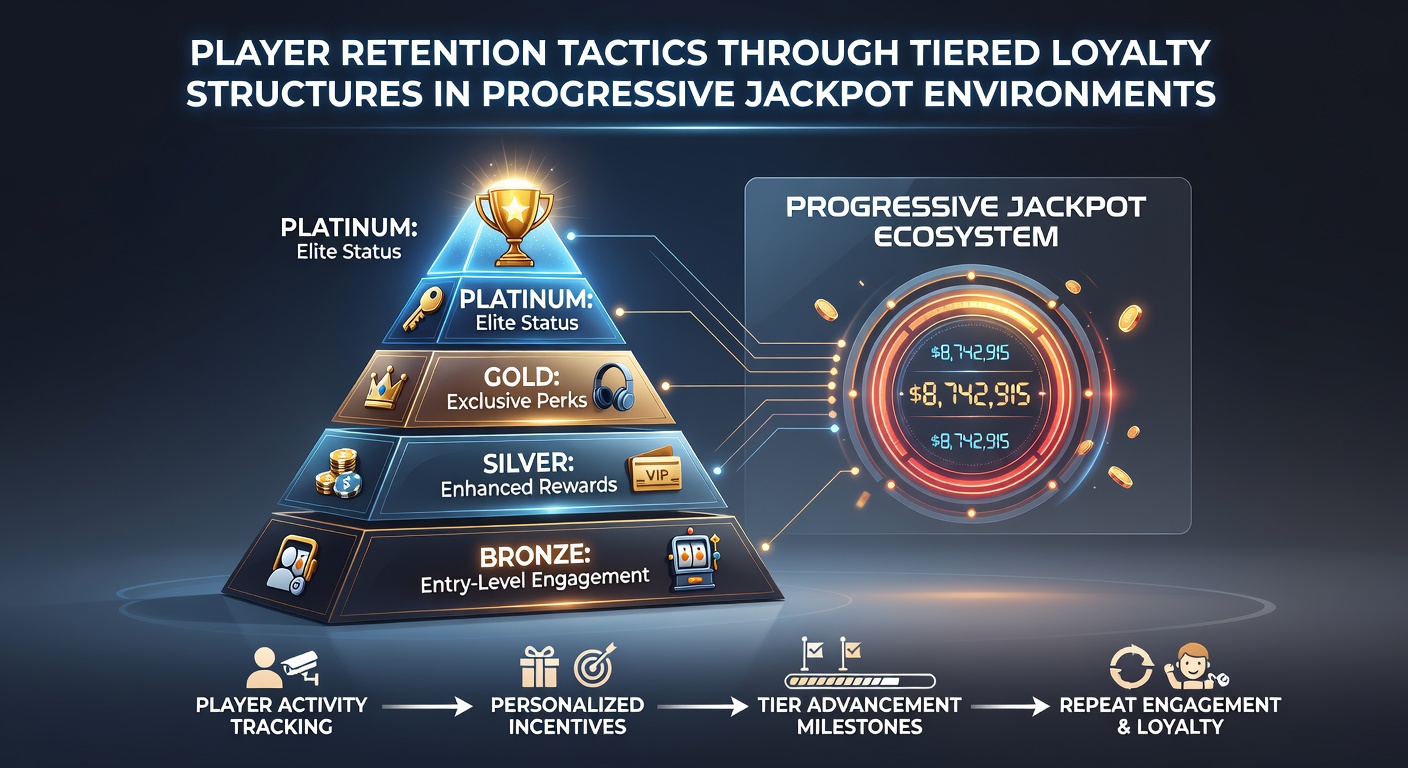
Operators build tiered loyalty structures to keep players active inside progressive jackpot environments where prize pools grow with each wager across linked machines, and these systems assign players to levels based on accumulated activity points that unlock escalating rewards. Data from industry reports shows participation rates climb when rewards scale with commitment, since bronze members receive basic free spins while higher tiers grant access to exclusive jackpot multipliers and personalized bonus rounds.
Core Mechanics Behind Tier Progression
Points accrue through consistent play on progressive titles, with silver status often reached after a set number of spins or total wagered amounts, and gold or platinum levels demand sustained engagement over months, according to analyses from the Nevada Gaming Control Board on reward program efficacy. Players advance when they hit thresholds, which triggers immediate perks like reduced wagering requirements on jackpot contributions, while the structure encourages return visits because missing consecutive days resets partial progress toward the next tier.
Research from the University of Nevada, Reno indicates that such graduated systems increase session length by aligning rewards with jackpot growth cycles, and operators adjust point multipliers during peak hours to draw traffic when progressive meters climb fastest. Those who've examined multiple platforms note that transparent tracking dashboards help users monitor their status without confusion, which sustains motivation across extended campaigns.
Integration With Progressive Jackpot Features
Progressive environments amplify retention when loyalty tiers grant priority entries into high-stakes draws or seed additional funds into shared pools, and data indicates these integrations raise repeat login rates because players track both personal tier advancement and collective jackpot totals simultaneously. In June 2026 several platforms rolled out combined dashboards that display tier benefits alongside real-time meter movements, allowing users to see exactly how their activity influences both individual rewards and the overall prize escalation.
What's notable is that higher tiers often include insurance mechanics where a percentage of wagers returns as tier credits if a jackpot is missed, and this approach maintains engagement during dry spells when the progressive meter moves slowly. Figures from Australian gambling research bodies reveal that players in loyalty programs tied to progressives complete more deposit cycles per month compared with those using flat reward schemes, since the dual incentive of tier perks and jackpot pursuit creates layered motivation.
Regional Approaches to Tiered Structures
European operators frequently link tiers to responsible play metrics alongside wagering volume, granting extra points for sessions that stay within preset limits, while North American programs emphasize jackpot-specific multipliers that scale with tier status. Canadian provincial regulators track how these systems affect player distribution across jackpot networks, and reports show tiered access reduces churn by offering tangible paths to larger prize shares without requiring massive single-session outlays.
One study revealed that loyalty participants in progressive settings exhibit steadier deposit patterns because tier benefits compound over time, and operators respond by introducing seasonal challenges that award bonus tier points during jackpot surges. The reality is these mechanics work best when communication stays clear, with push notifications updating users on both their tier status and nearby jackpot thresholds that become attainable at their level.
Measurement of Retention Outcomes
Retention metrics improve when tier structures incorporate time-bound goals, such as monthly leaderboard climbs that feed into jackpot eligibility, and external data from gaming associations across multiple jurisdictions confirms lower attrition among active tier climbers. Observers note that successful programs balance accessibility for entry-level players with exclusivity at the top, which prevents frustration while still rewarding consistent participation in progressive environments.
Turns out that integrating loyalty data with jackpot analytics lets operators fine-tune reward timing, releasing tier bonuses right as meters approach notable milestones, and this synchronization keeps players invested through both wins and near-misses. Academic papers on behavioral patterns in jackpot play highlight that tiered systems create commitment devices because progress feels tangible and visible, encouraging users to maintain activity rather than switch platforms.
Conclusion
Tiered loyalty structures function as retention engines inside progressive jackpot environments by converting routine play into measurable advancement toward enhanced rewards and jackpot access. Evidence from regulatory bodies and academic sources demonstrates measurable lifts in session frequency and deposit consistency when these programs align personal progress with collective prize growth. As platforms refine these systems through 2026 and beyond, the combination of transparent tracking, scaled benefits, and jackpot integration continues to shape how operators maintain long-term player engagement across linked networks.