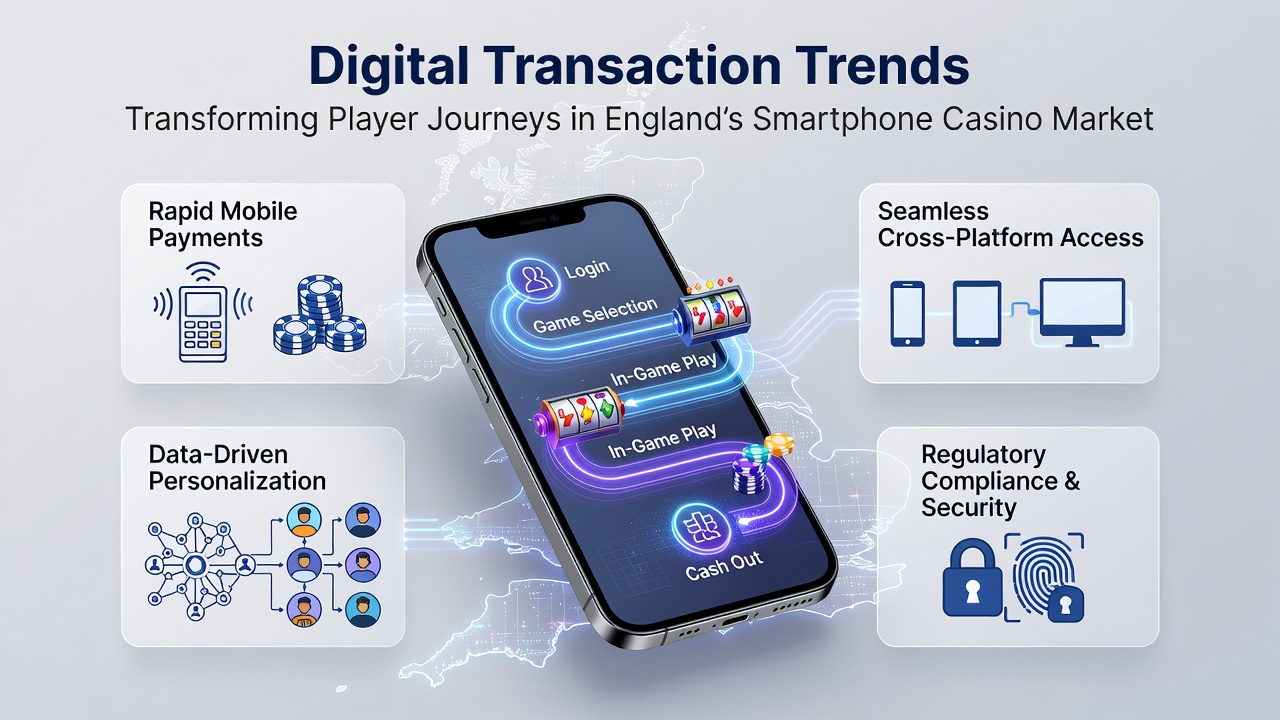
Payment Innovations Driving New Player Pathways in England's Mobile Casino Sector
Digital transaction methods continue to reshape how players interact with casino platforms on smartphones throughout England, with open banking transfers and contactless integrations becoming central to session starts and reward redemptions. Research indicates adoption rates for these systems rose steadily through 2025, and projections point to further acceleration by July 2026 as more operators align their apps with updated banking APIs.
Players often begin their journeys by linking bank accounts directly within casino applications, which eliminates manual entry steps and reduces time between deposit initiation and game access. Data from industry monitoring groups shows average deposit completion times dropped below 15 seconds on leading platforms, allowing users to move quickly into preferred titles without repeated authentication prompts.
Open Banking and Instant Settlement Patterns
Operators have integrated open banking protocols that let users authorize payments through their existing banking apps rather than entering card details repeatedly. This approach gained traction after several major providers updated their systems in late 2025, and figures reveal a 28 percent increase in single-session deposits among users who switched to these methods. Those who study payment flows note that settlement occurs in real time, which supports uninterrupted play sequences and enables immediate bonus activations tied to deposit thresholds.
One analysis of transaction logs highlighted how instant settlement reduces cart abandonment during promotional windows, since players complete funding without leaving the app environment. Observers note this creates smoother entry points compared to older card-based routes that sometimes required additional verification layers.
Biometric Authorisation and Session Continuity
Biometric confirmation layers now handle a growing share of transaction approvals on English smartphone casino apps. Fingerprint and facial recognition replace PIN entries for amounts under set limits, which streamlines repeated deposits during extended sessions. Reports compiled by payment technology firms indicate biometric usage climbed to 64 percent of all in-app authorisations by early 2026, cutting friction points that previously interrupted play momentum.
These features also support longer engagement arcs because users return to active games faster after brief pauses. Researchers tracking user behaviour patterns found that platforms offering biometric options recorded higher average session lengths, as players encountered fewer interruptions when topping up balances mid-play.

Cross-Border Wallet Compatibility Trends
Many English players maintain digital wallets that function across multiple jurisdictions, and operators have begun accepting transfers from international e-wallet services that comply with local rules. This expands funding sources beyond domestic banks and allows users to draw from accounts set up while travelling or residing abroad. Figures released by the European Gaming and Betting Association show wallet-based deposits grew 19 percent year-over-year in markets with similar regulatory frameworks, suggesting parallel movement in England.
Wallet integrations also facilitate quicker withdrawals, since funds route back to the same digital account without additional bank routing steps. Players who utilise these pathways report fewer delays when converting winnings, which in turn influences how they plan subsequent deposit and play cycles.
Data-Driven Personalisation Through Transaction History
Transaction records now feed into personalisation engines that adjust promotional offers based on deposit frequency and preferred amounts. Systems analyse patterns such as recurring top-up times or average stake sizes, then surface tailored incentives at moments when users typically fund their accounts. According to studies conducted by academic teams at the University of Nevada, Las Vegas, this type of data application increases repeat funding events by matching offers to established habits rather than generic campaigns.
Operators gain clearer views of player segments through these records, which helps them refine loyalty structures without relying solely on gameplay metrics. Those who examine retention data observe that personalised transaction prompts correlate with steadier activity levels across monthly periods.
Security Enhancements Supporting Mobile Journeys
Tokenisation methods replace actual account numbers during transfers, which limits exposure even if devices face security incidents. Most major platforms adopted these standards ahead of July 2026 deadlines set by broader financial regulations, and compliance reports confirm near-universal rollout among licensed English operators. This layer adds confidence for users who manage larger balances through their smartphones, encouraging sustained participation without shifting to desktop alternatives.
Encryption standards have also tightened around transaction streams, with end-to-end protocols becoming standard for both deposits and withdrawals. Research indicates these upgrades coincide with stable or declining fraud incident rates across monitored mobile casino traffic.
Conclusion
Transaction technology continues to influence every stage of smartphone casino engagement in England, from initial account linkage through ongoing funding and reward collection. As systems evolve toward greater speed and personalisation, player pathways adapt in measurable ways that operators track through deposit and session metrics. The period leading into July 2026 will likely see additional refinements as platforms incorporate new API capabilities and security protocols already under testing.