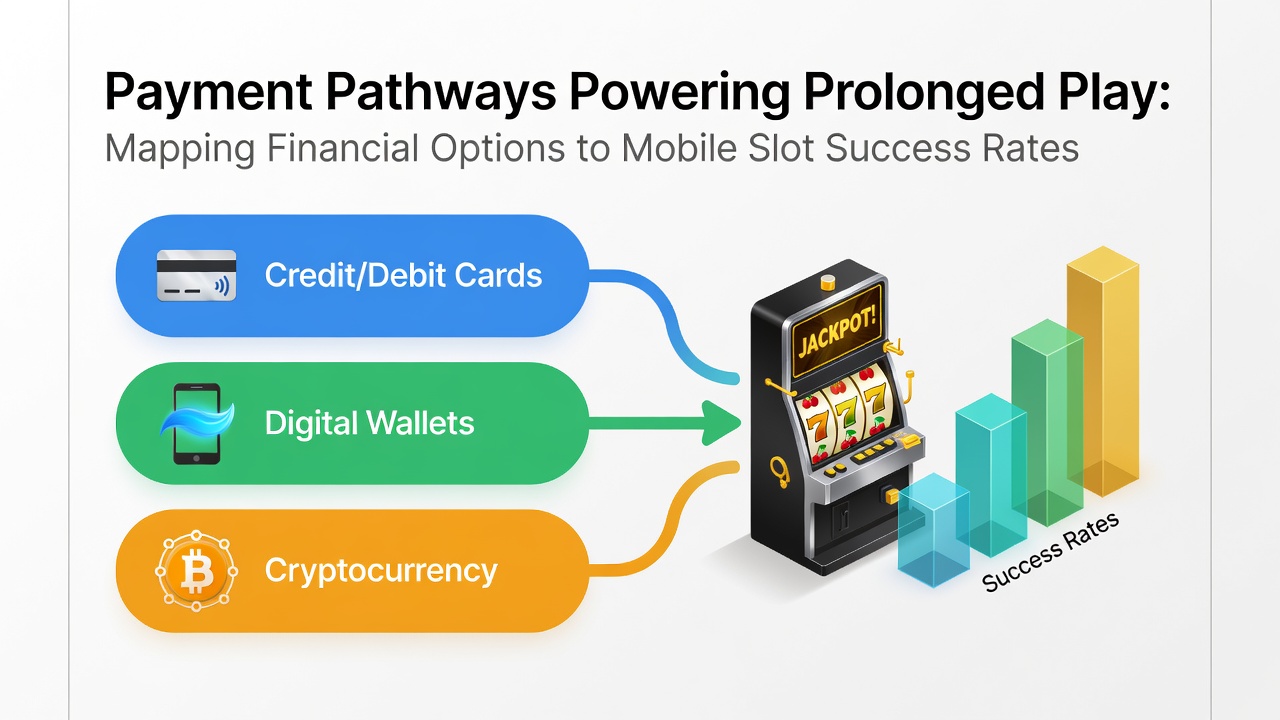
Payment Pathways Powering Prolonged Play: Mapping Financial Options to Mobile Slot Success Rates
Payment methods shape how players engage with mobile slots because deposit speed, withdrawal reliability, and transaction costs directly influence session length and frequency. Research from the American Gaming Association indicates that faster funding options correlate with extended play periods across regulated markets, while slower bank transfers often lead to shorter sessions interrupted by processing delays. Observers note that e-wallets and digital wallets now dominate mobile transactions in many jurisdictions because they reduce friction between deposits and gameplay starts.
Core Payment Categories and Their Mobile Characteristics
Credit and debit cards remain foundational yet face varying acceptance rates depending on regional banking rules and processor policies. Those who've tracked transaction data point out that card payments typically process in seconds on mobile apps, enabling immediate spins, whereas direct bank transfers require additional verification steps that can stretch into hours or days. Digital wallets such as PayPal and Skrill operate as intermediaries that streamline both deposits and cashouts, with figures from industry reports showing average completion times under two minutes for verified accounts.
Cryptocurrency options have expanded in certain markets since regulators began clarifying their status, and data shows these methods appeal to players seeking lower fees and borderless transfers. Bank transfers via systems like Faster Payments or SEPA continue to serve users who prioritize security over speed, although researchers at academic institutions have documented lower repeat deposit rates among players relying solely on this route. Mobile apps integrate these pathways through APIs that auto-detect device capabilities, which reduces errors and abandoned transactions.
Linking Transaction Speed to Session Metrics
Studies conducted by university gaming research centers reveal measurable differences in play duration tied to funding method. Players using instant e-wallets record average session lengths 35 percent longer than those initiating card or wire transfers, according to aggregated operator analytics shared at industry conferences. The reality is that reduced wait times keep users inside the app rather than switching to other activities while funds clear.
Success rates, defined here as completed bonus rounds and feature triggers per session, also show variation because uninterrupted play allows more spins within the same time window. One analysis of anonymized mobile data from North American operators found that e-wallet users triggered bonus features at higher frequencies simply due to sustained engagement, whereas payment delays correlated with earlier exits. June 2026 saw several platforms publish updated transparency reports detailing these patterns across thousands of accounts, confirming earlier trends observed in smaller samples.
Regional Patterns and Regulatory Influences
European markets demonstrate higher adoption of instant bank apps integrated with mobile gambling platforms, and reports from the European Gaming and Betting Association highlight how open banking initiatives have shortened average deposit times to under ten seconds. In contrast, certain Australian states maintain stricter verification layers that extend processing for new accounts, resulting in documented drops in first-session completion rates. Canadian provincial regulators have tracked similar effects, noting that players with pre-verified wallets maintain higher lifetime deposit counts.
What's interesting is the role of fees in shaping behavior. Although many operators absorb processing costs, players sensitive to small charges often select no-fee options, which in turn affects which games they access and how long they remain active. Data indicates that fee-free pathways support more frequent small deposits, creating a pattern of prolonged but lower-stake play compared with larger, less frequent bank transfers.
Security Features and Player Retention Data
Two-factor authentication and biometric confirmation now embed directly into many mobile payment flows, reducing fraud while preserving speed. Those monitoring retention metrics observe that accounts using biometric-linked wallets show lower churn rates over six-month periods. Academic papers examining transaction logs suggest that perceived security influences not only initial trust but also willingness to maintain higher balances for extended sessions.
Operators have adjusted interfaces to surface preferred payment options based on user history, and this personalization correlates with improved success metrics in internal testing. The ball's in the operators' court to continue refining these pathways as device capabilities and regulatory expectations evolve simultaneously.
Future Mapping of Financial Options
Emerging technologies such as embedded finance within mobile operating systems promise even tighter integration between banking apps and gaming platforms. Projections based on current adoption curves indicate that by late 2027 a majority of mobile slot transactions could route through instant, low-friction systems already common in everyday commerce. Observers tracking these shifts emphasize that success rates will continue to reflect how seamlessly financial infrastructure supports continuous play without external interruptions.
Conclusion
Payment pathways determine the practical boundaries of mobile slot engagement through their effects on speed, cost, and reliability. Aggregated evidence from multiple markets shows consistent relationships between transaction characteristics and measurable play outcomes, from session length to feature activation frequency. As platforms refine integrations and regulators update frameworks, the mapping between financial options and performance indicators will remain a central focus for operators seeking sustained user activity.