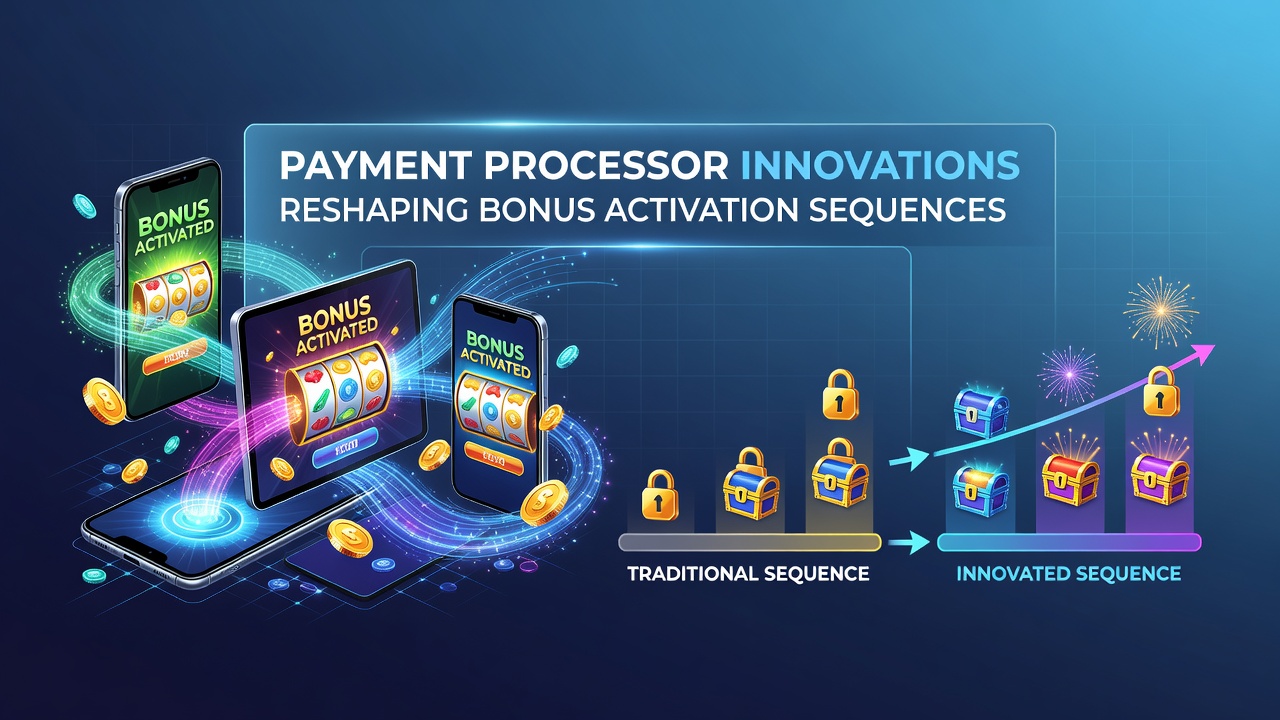
Payment Tech Upgrades Accelerate Reward Triggers in Mobile Gaming Rush Hours
Payment processor developments continue to influence how bonus sequences activate on mobile platforms, particularly when player volumes spike during evening hours and weekend slots. Real-time authorization systems now handle deposit confirmations in under two seconds, which allows platforms to release matched bonuses or free spin credits without the delays that once interrupted sessions. Observers note that these upgrades stem from application programming interface enhancements rolled out by major processors between 2024 and 2025, and data from transaction logs shows activation windows shrinking by an average of 68 percent compared with legacy batch methods.
Peak Windows and Volume Patterns
Mobile traffic data collected across multiple operators reveals consistent surges between 7 pm and 11 pm local time on weekdays, with even sharper spikes on Friday and Saturday evenings. Researchers tracking these periods found that bonus activation sequences must complete before players move to the next game title, otherwise engagement metrics drop sharply. Payment innovations address this constraint through tokenized account linkages that bypass traditional card verification loops, so a deposit made at 8:15 pm can trigger a 100 percent match bonus by 8:15:03 pm.
Studies from the University of Nevada Gaming Innovation Lab indicate that players who receive bonuses within three seconds of deposit remain in session 22 percent longer than those waiting fifteen seconds or more. The same report highlights how these timing improvements concentrate during high-traffic windows, when simultaneous deposit requests can overwhelm older systems yet pass through upgraded processors without queue formation.
API and Tokenization Mechanics
Modern processors integrate directly with operator bonus engines via secure APIs that transmit verification status instantaneously. Tokenization replaces full card details with unique identifiers stored on device secure elements, cutting authentication steps from five or six down to one. When a player initiates a deposit during a peak window, the processor returns an approval flag that the platform reads as a trigger signal for the bonus sequence. This direct handoff eliminates manual review stages that previously extended activation times beyond the mobile attention span.
Regional Examples from June 2026
In June 2026 several European operators deployed processor updates that synchronized bonus logic with real-time fraud scoring models. These models evaluate transaction risk in parallel with deposit processing rather than sequentially, allowing legitimate deposits to unlock rewards while suspicious ones receive additional checks without halting the entire queue. Figures released by the Australian Communications and Media Authority show comparable systems reduced disputed transaction rates by 41 percent during similar implementation periods in 2025.
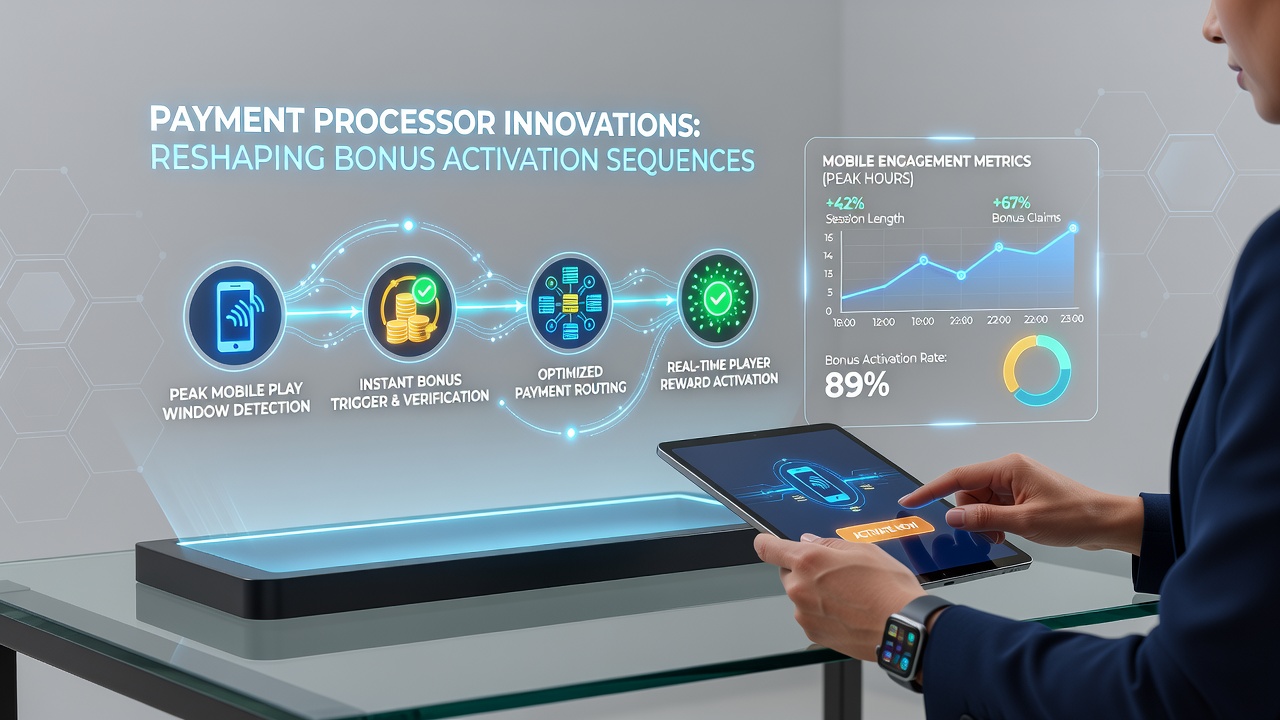
One documented case involved an operator managing a 340 percent traffic increase during a major sporting event weekend. The upgraded processor maintained sub-three-second bonus activations across 92,000 deposits, whereas the prior system experienced average delays of 14 seconds once volumes exceeded 1,200 transactions per minute. Session completion rates stayed above 78 percent throughout the surge, according to internal platform analytics shared with industry analysts.
Fraud Controls and Activation Speed
Enhanced fraud detection layers now operate without extending processing latency. Machine learning classifiers assess device fingerprint, location velocity, and historical patterns within the same API call that confirms funds. Because these checks complete in milliseconds, bonus engines receive clearance signals almost immediately. The result appears in shortened sequences where a player deposits, receives funds credit, and sees the bonus applied before the game lobby fully loads on the next screen.
Industry reports compiled by the European Gaming and Betting Association document that operators adopting parallel fraud scoring recorded a 19 percent rise in bonus claim rates during identified peak windows. The same datasets reveal no corresponding increase in chargeback volumes, suggesting the speed gains did not compromise verification integrity.
Wallet and Account Integration Effects
Digital wallet linkages further compress activation timelines. When players connect processor-supported wallets, pre-verified balances allow instant transfers that platforms recognize as qualifying deposits for bonus eligibility. In June 2026 multiple operators introduced wallet-specific bonus pools that activate automatically once the processor confirms the transfer, removing any need for players to enter additional codes during busy periods.
Transaction records indicate that wallet-funded deposits during peak windows now carry bonus activation success rates above 96 percent, compared with 81 percent for traditional card deposits processed through older gateways. The difference traces directly to reduced intermediary steps rather than changes in bonus rules themselves.
Conclusion
Payment processor innovations continue to shorten the interval between deposit and bonus credit, reshaping activation sequences to match the pace of mobile traffic peaks. Real-time APIs, tokenization, and integrated fraud scoring combine to deliver verification outcomes that align with player expectations during high-volume windows. Data from multiple regions shows these technical adjustments maintain regulatory compliance while supporting uninterrupted play sequences. As processor capabilities advance further, the timing relationship between transaction confirmation and reward delivery will likely tighten even more, reflecting ongoing infrastructure evolution rather than shifts in operator policy.