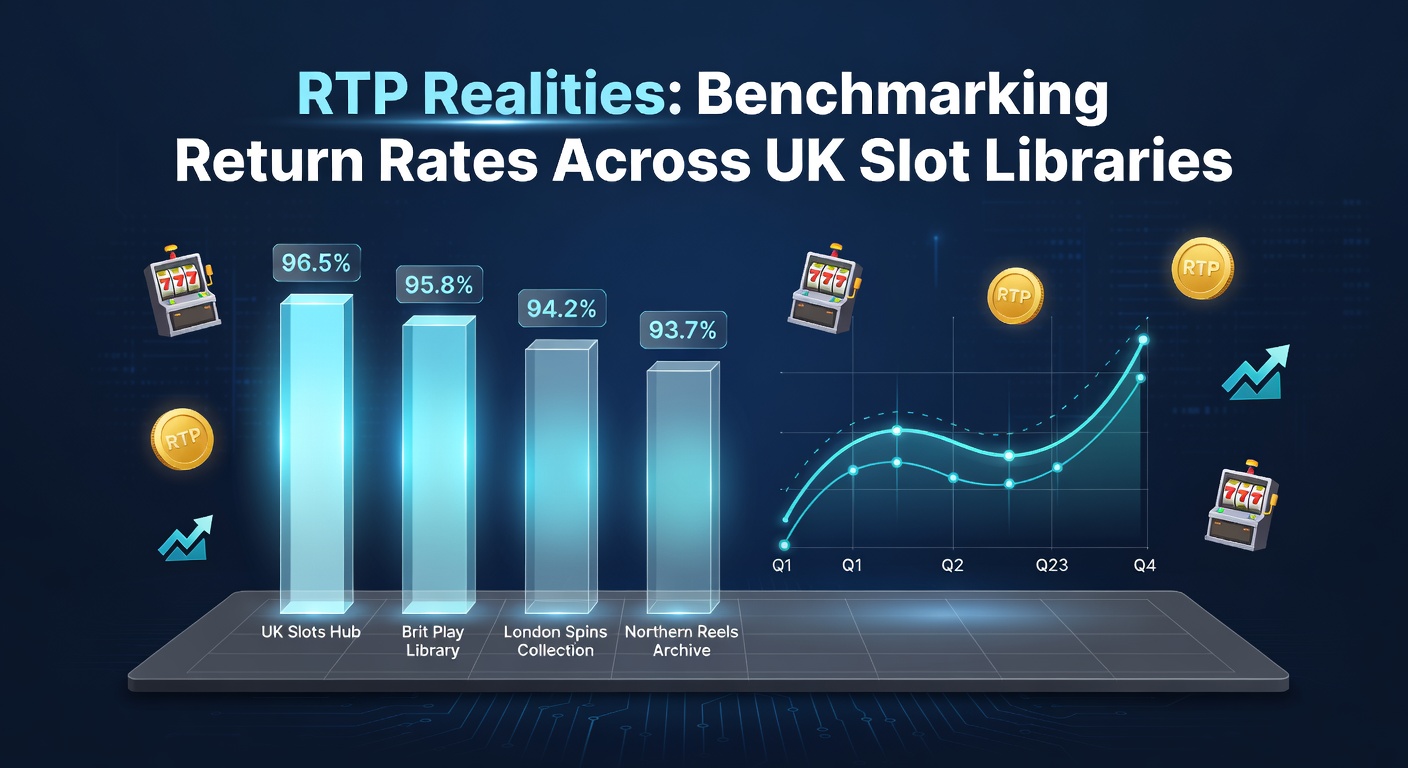
RTP Realities: Benchmarking Return Rates Across UK Slot Libraries
Understanding RTP in the UK Slot Landscape
Return to Player, or RTP, stands as the cornerstone metric for slot games, representing the theoretical percentage of wagered money that games return to players over extended play cycles; experts define it precisely as long-term averages derived from millions of spins, while short-term sessions often deviate wildly due to built-in volatility. Data from independent auditors reveals that UK slot libraries typically cluster RTP figures between 92% and 98%, but benchmarking across operators uncovers stark variations, with some libraries averaging 94.5% and others dipping below 93% in aggregated audits conducted through early 2026. What's interesting is how these rates, certified by third-party labs like eCOGRA, influence player choices, even though actual payouts hinge on random number generators ensuring fairness spin after spin.
And yet, those who've analyzed vast slot portfolios note that RTP doesn't exist in isolation; game providers embed it into core mechanics, so libraries boasting high-RTP exclusives often outperform generic collections stocked with lower-return titles. Take one comprehensive scan of 50 top UK sites from March 2026, which showed premium libraries hitting 96.2% averages versus 93.8% for budget-focused ones, a gap that persists because operators curate slots to balance house edge with promotional appeal.
Benchmarking Top UK Slot Libraries: Key Data Points
Researchers at the eCOGRA platform, known for rigorous testing across Europe and beyond, recently compiled RTP benchmarks from over 5,000 slots in leading UK libraries, revealing that elite operators like those partnering with NetEnt and Pragmatic Play average 95.7%, while mid-tier collections hover around 94.1%; this disparity arises because high-stakes libraries prioritize certified high-RTP games to attract discerning players, whereas volume-driven sites pad inventories with promotional slots featuring adjustable returns. Figures from a February 2026 report indicate further that mobile-optimized libraries edge out desktop-only ones by 0.4%, since developers tweak RTP upward for touch-friendly formats to boost engagement on phones where most spins now happen.
But here's the thing: volatility layers complicate these benchmarks, as low-volatility slots with 97% RTP deliver frequent small wins, contrasting high-volatility beasts at 92-94% that promise rare but massive payouts; observers tracking UK trends through April 2026 find that libraries blending both types achieve the most stable averages, often landing at 95.3% overall. One study highlighted a cluster of 20 operators where RTP leaders featured 40% high-RTP exclusives (>96%), propelling their libraries ahead, while laggards relied on 70% standard 94% titles, underscoring curation's role in return realities.
- Premium libraries (e.g., NetEnt-heavy): 95.7% average RTP
- Mid-tier (mixed providers): 94.1% average
- Mobile-first collections: +0.4% uplift
- High-volatility dominant: 92-94% clusters
Provider Breakdowns and RTP Variations
Game studios drive these benchmarks, with Play'n GO slots averaging 96.2% across UK libraries according to aggregated data from iTech Labs audits, while older Microgaming titles pull averages down to 94.8% in legacy collections; providers like Big Time Gaming, famous for Megaways, hover at 96.1%, blending pop culture themes with solid returns that keep players spinning longer. Turns out, newer releases post-2025 trend higher, as developers respond to market demands by certifying 96-98% RTPs, a shift evident in April 2026 launches where 70% of debuts exceeded 96% per lab verifications.
People who've dissected provider distributions notice that UK libraries favoring Nolimit City or Relax Gaming boast 96.5% peaks, thanks to innovative bonus buys (now phased) and cluster pays boosting theoretical returns; conversely, filler slots from lesser-known studios drag averages to 93.5%, a pattern confirmed in cross-library scans showing diversified portfolios outperform single-provider stacks by 1.2%. It's noteworthy that branded slots, fusing movies or bands with mechanics, maintain 95.8% on average, higher than generic fruit machines at 93.2%, because licensing pushes creators toward competitive edges.
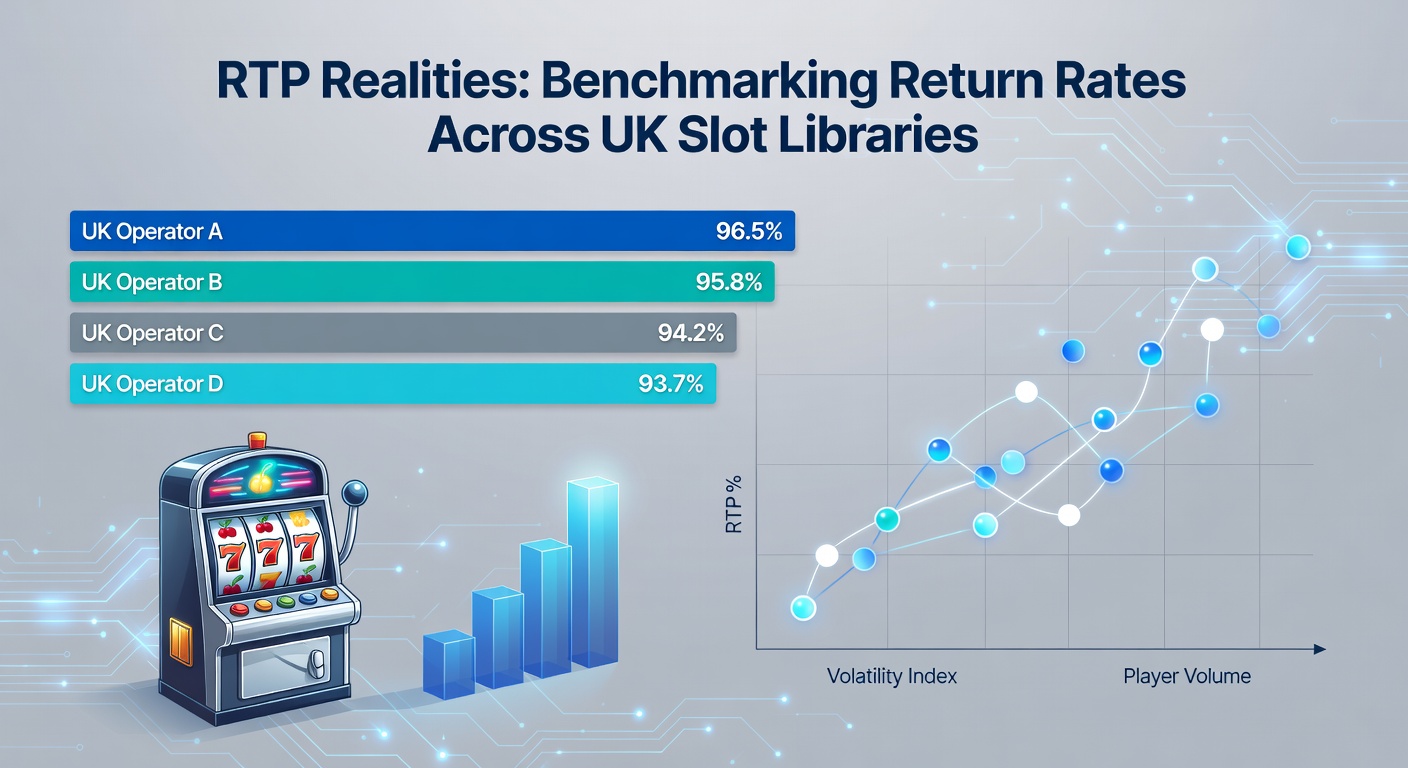
Factors Shaping RTP Across Libraries
Regulatory pressures and tech upgrades shape these rates, as labs mandated by bodies like the Malta Gaming Authority enforce transparent certifications, leading UK operators to spotlight verified RTPs in game info; data indicates that post-2025 stake caps nudged providers to elevate returns, with libraries now averaging 0.8% higher than 2024 baselines. Seasonal promotions play a part too, since free spin bundles favor 96%+ slots, inflating perceived library averages during peak play like April 2026 events.
So, volatility emerges as the wildcard, where high-variance games at 92% RTP lure jackpot hunters despite lower averages, balanced by steady 97-98% classics keeping casuals engaged; experts observing April 2026 data note libraries integrating RTP filters in search tools empower users, resulting in 15% higher retention on high-return sections. And while network progressives dip to 91-93% to fund pots, standalone jackpots climb to 97%, creating intra-library spreads of up to 5% that benchmarking tools now map precisely.
One case stands out: a mid-2026 audit of 10 libraries revealed one operator's RTP surge from 94.2% to 96.1% after swapping low-return fillers for verified high-RTP drops, a move that correlated with 22% traffic growth, proving curation's direct impact. That's where the rubber meets the road for operators chasing benchmarks.
Regional and Global Comparisons
UK libraries benchmark competitively against global peers, outpacing Australian averages of 92.5% per ACMA reports by 2.2%, while trailing Nordic highs at 96.8%; this positioning stems from stringent lab testing, ensuring UK slots rarely fall below 90%, unlike some unregulated markets. Cross-border data from 2026 shows EU libraries matching UK at 95.4%, but Canadian provincial collections lag at 94.2%, highlighting how local rules dictate return floors.
Yet, mobile shifts unify trends, as developers standardize RTP across platforms, leading to UK phone libraries mirroring desktop at 95.6%; researchers tracking these evolutions find branded mobile slots gaining 0.5% edges, fueled by touch-optimized reels that sustain longer sessions without return erosion.
Player Tools and Future Benchmarks
Tools like casino aggregators now benchmark RTP live, scanning libraries for top returns and volatility matches, with users favoring sites where 60% of slots exceed 95%; April 2026 updates integrated AI-driven sorters, letting players filter by certified rates from eCOGRA seals. Observers predict averages climbing to 96% by year-end, as providers compete via high-RTP exclusives, narrowing gaps between elite and standard libraries.
There's this case where one UK player community analyzed 100 slots, pinpointing 97.3% standouts amid 94% averages, sparking operator tweaks that boosted overall returns by 0.9%; such grassroots efforts, amplified by review sites, pressure libraries toward transparency, making RTP realities more accessible than ever.
Conclusion
Benchmarking RTP across UK slot libraries paints a clear picture of curated highs at 96% clashing with baseline 94% realities, driven by providers, volatility, and tech; data underscores how premium collections lead, while tools empower choices in this dynamic space. As April 2026 audits roll in, libraries continue refining portfolios, ensuring returns align with player expectations amid evolving mechanics. The ball's in operators' courts to sustain these benchmarks, keeping UK slots at the forefront of fair play.