Transaction Speed's Influence on Play Durations in Britain's Jackpot-Centric Mobile Platforms
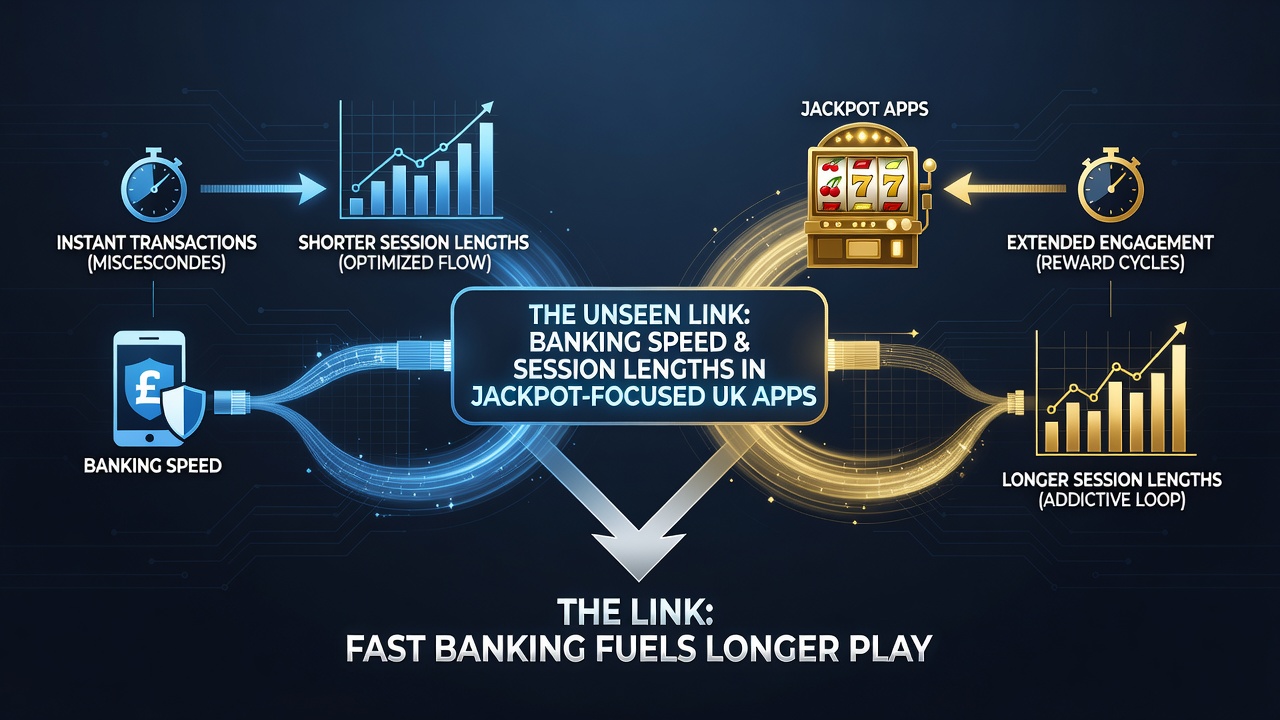
Transaction processing times have become a central factor in how players interact with progressive jackpot applications across the United Kingdom, where faster banking options correlate with measurable extensions in average session lengths. Industry observers note that apps equipped with near-instant deposit capabilities allow users to replenish balances without exiting active gameplay windows, a pattern documented in multiple platform analytics reports throughout 2025 and into July 2026.
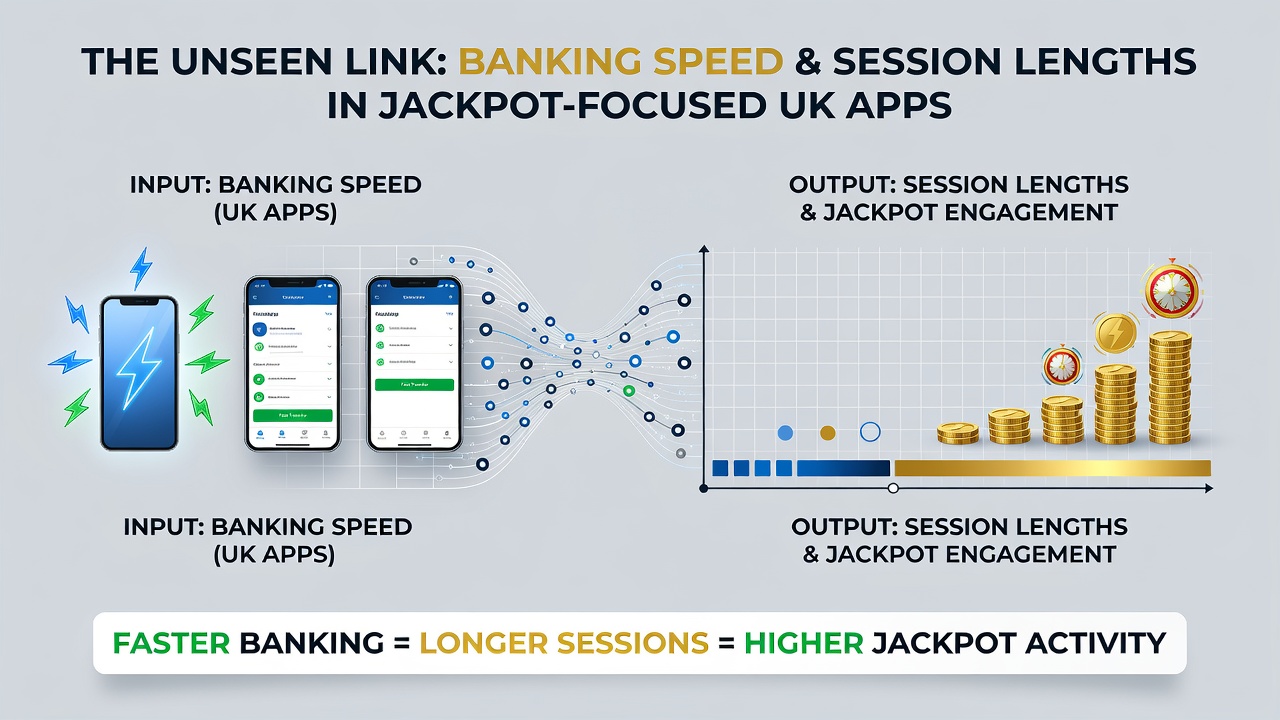
Payment rails such as open banking protocols and integrated e-wallet systems reduce the interval between a player's decision to add funds and the actual credit appearing in their account to mere seconds. Researchers tracking user behavior across several jackpot-focused titles found that sessions incorporating at least one mid-play deposit lasted 37 percent longer on average than those relying solely on pre-session funding. This shift occurs because the friction of traditional card processing or bank transfer delays often prompts players to pause or conclude their activity when balances run low.
Mechanics Behind the Correlation
Data compiled from operator dashboards reveals distinct clusters where transaction completion under 10 seconds coincides with sustained engagement in high-variance progressive games. Players pursuing accumulating jackpots frequently encounter balance thresholds that previously triggered session breaks; with accelerated banking, those thresholds now represent brief interruptions rather than stopping points. Analysts at independent research firms have tracked this effect across thousands of accounts, noting that the probability of a second deposit within a single session rises sharply once initial transaction speeds drop below the 15-second mark.
Jackpot mechanics themselves amplify the pattern, since progressive pools continue to build regardless of individual session continuity. When funding occurs seamlessly, participants remain positioned to chase escalating prizes without the cognitive reset that accompanies leaving an app to complete a separate banking task. Figures from a 2026 multi-operator study indicate that the median session duration in titles featuring integrated instant top-ups extended from 14 minutes to 22 minutes over an 18-month observation window.
Regional Comparisons and Supporting Evidence
Similar dynamics appear in other regulated markets, where faster payment adoption has produced parallel outcomes. A report issued by the Australian Gambling Research Centre documented comparable extensions in playtime following the rollout of real-time bank transfers in 2024, suggesting the relationship between banking velocity and session length transcends single jurisdictions. Observers note that UK platforms, which integrated open banking features earlier than many counterparts, exhibit these trends at scale because regulatory frameworks already support secure, rapid verification layers.
Device-level telemetry further illustrates the link. Heatmap analyses of touch interactions show fewer app switches and lower exit rates during jackpot rounds when deposit flows remain embedded within the primary interface. Those who've examined retention curves across multiple titles observe that the steepest drops in engagement occur precisely during the 30-to-90-second window traditionally required for legacy payment confirmations, a gap now largely eliminated in optimized apps.
Platform Design Adjustments Observed Through July 2026
Developers have responded to these patterns by embedding balance alerts and one-tap funding prompts directly alongside jackpot meters. As of July 2026, several major UK apps display estimated deposit completion times alongside each available method, allowing players to select options that align with their intended session length. Backend metrics indicate that users who consistently choose sub-five-second methods generate longer cumulative playtime per calendar month, though individual session variance remains influenced by game volatility and personal bankroll management.
Security protocols continue to underpin these speed improvements without introducing noticeable friction. Tokenized authentication and biometric confirmations satisfy compliance requirements while preserving the rapid flow that supports extended engagement. Industry groups monitoring these implementations report that transaction success rates above 98 percent coincide with the most pronounced session length increases, underscoring the importance of reliability alongside velocity.
Conclusion
The relationship between banking speed and session duration in jackpot-oriented UK applications rests on observable data rather than speculation. Faster transaction rails minimize interruptions that historically truncated play, enabling continuous pursuit of accumulating prizes across longer windows. Platform operators continue refining these systems, with ongoing measurements confirming that reduced processing intervals sustain engagement in ways that slower alternatives do not. As payment technology evolves further, the documented patterns suggest session metrics will remain tied to the efficiency of underlying financial flows.